


Urban and Regional Planning Degrees
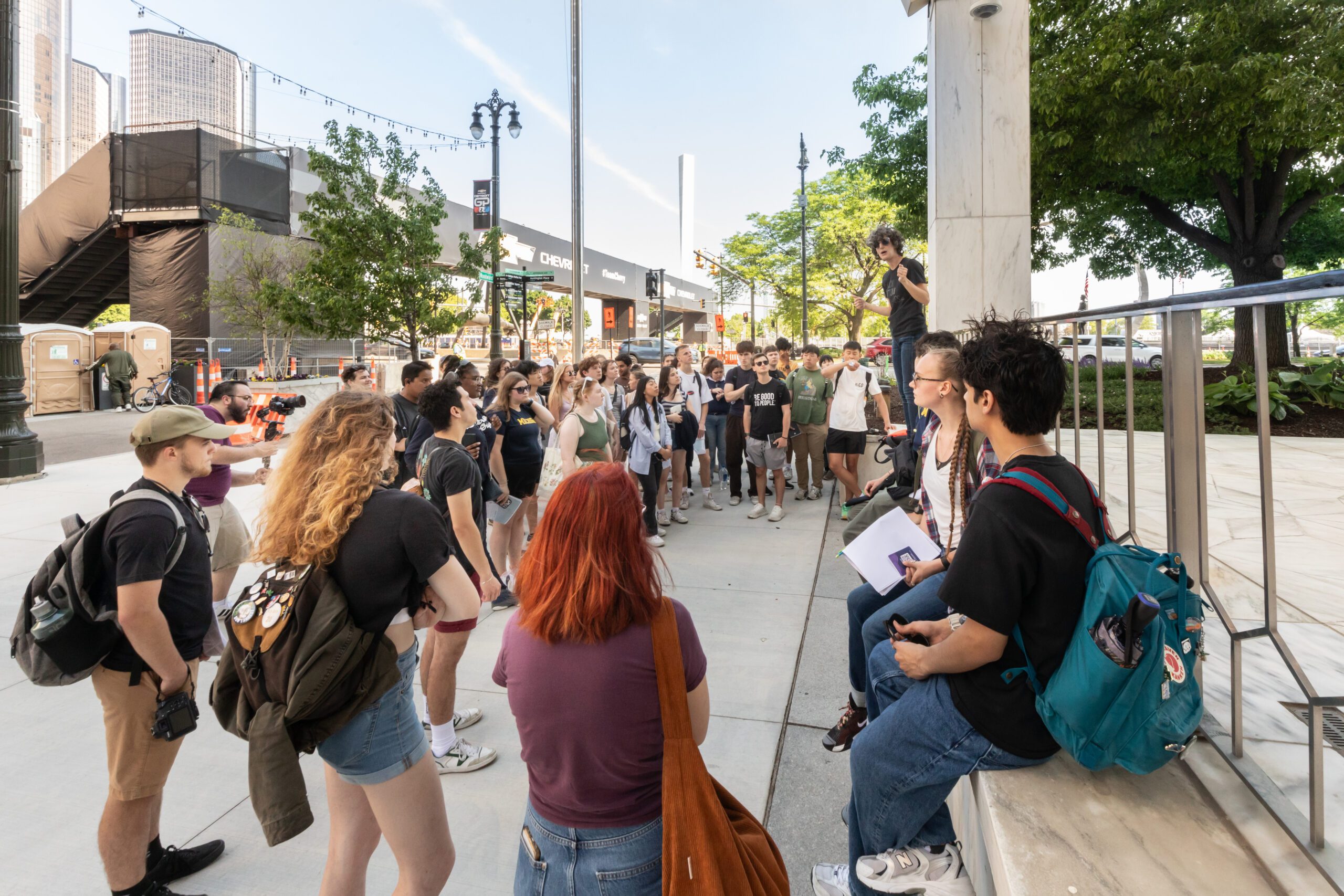
The Bachelor of Science in Urban Technology is for future urban leaders. Students graduate with an understanding of cities and the design and technology skills. This unique degree program at Taubman College prepares students for careers in urban planning, urban design, public service, or entrepreneurship.
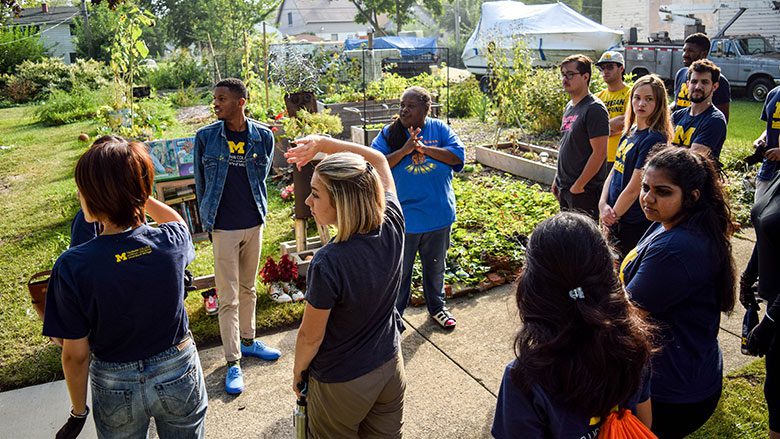
The Master of Urban and Regional Planning (M.U.R.P.) degree offers professional education in the planning field. Graduates may eventually apply their professional skills in various government agencies, private enterprises, or non-profit organizations within a variety of subject areas.
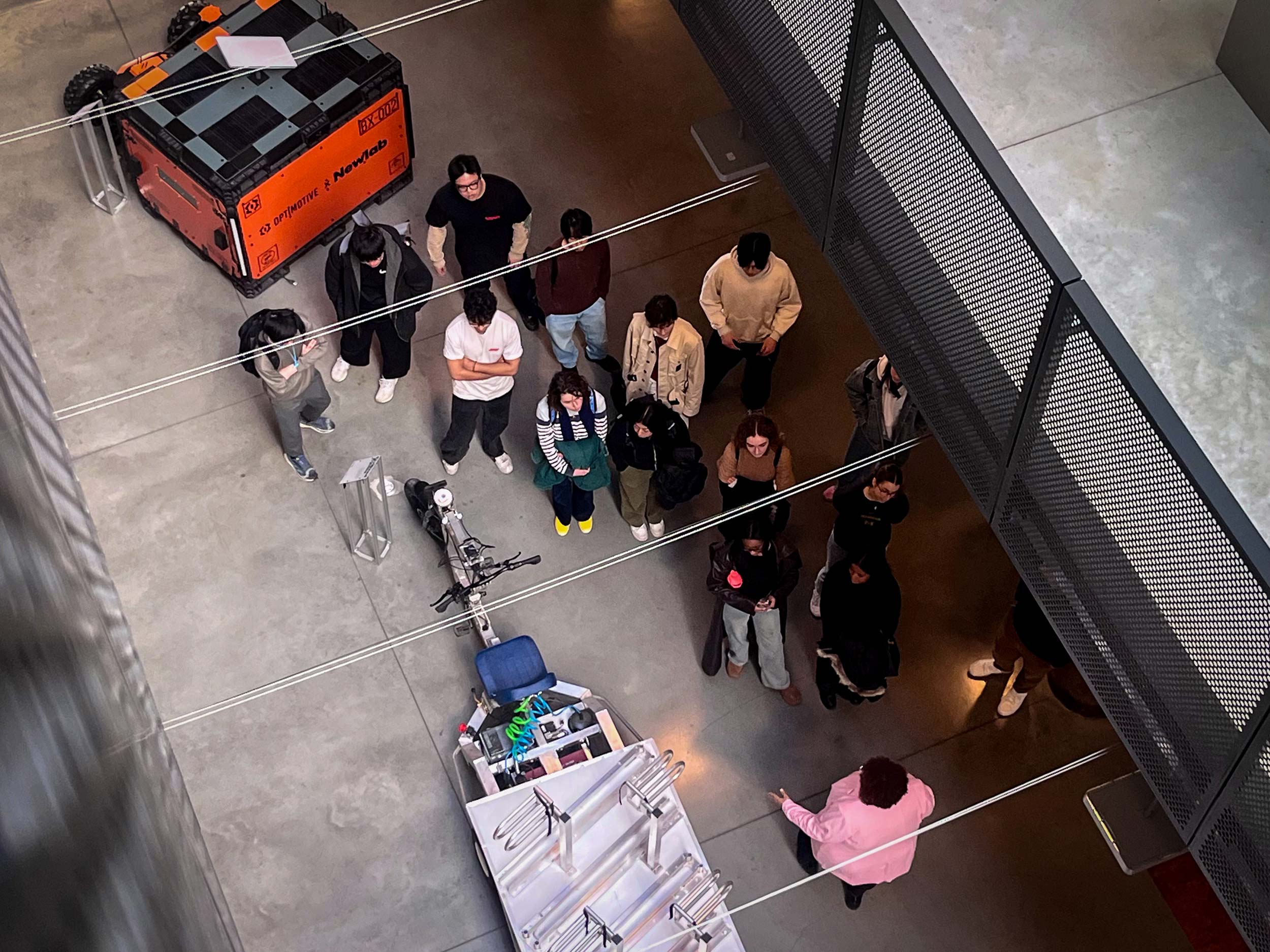
The Master of Urban Technology degree is a 12-month program on business, innovation, and tech for city-makers. This degree is in Detroit at the University of Michigan Center for Innovation, where students are embedded within a community of like-minded innovators and provided the space they need to co-create and develop new ideas.
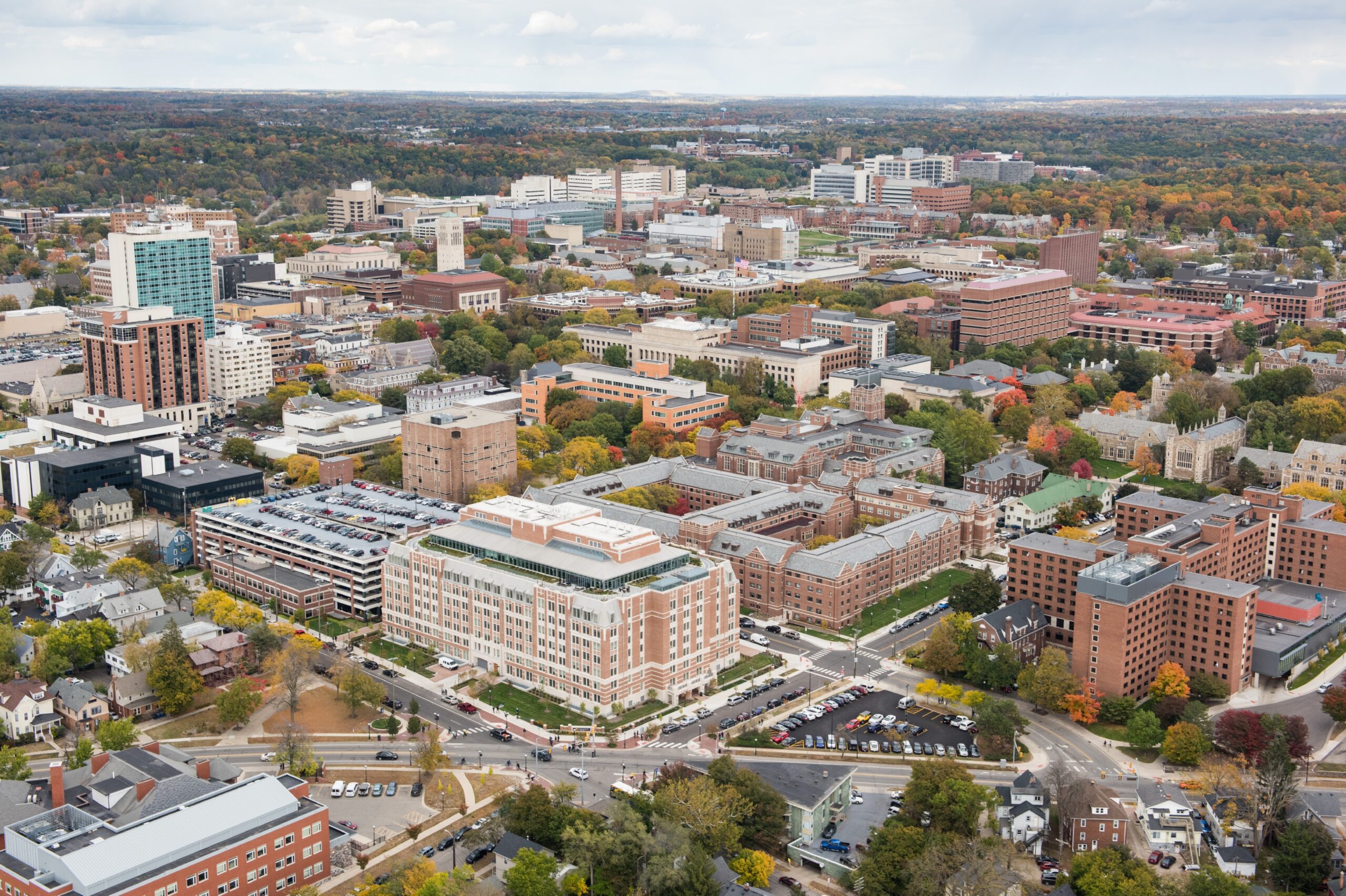
The Ph.D. in Urban and Regional Planning trains scholars for careers in higher education, research and high-level policy positions. It is a doctoral degree with a flexible, interdisciplinary focus.
Graduates work in universities, government, non-profits, and the private sector, in the U.S. and around the world. Doctoral students specialize in a wide range of possible topics. Recent students have engaged in subjects as diverse as the political economy of public transit, inner-city revitalization, global city urbanization, information technology and cyberspace, the crisis of modernist urbanism, suburbanization in developing countries, regional planning institutions, the effects of environmental contamination on patterns of urban and regional development, the culture of suburban commuting, the impact of tourism on historical Mediterranean cities, and the application of complex systems analysis to sustainable development.
Dual Degrees
University of Michigan dual degree programs enable students to earn two degrees in considerably less time than if each degree were earned separately. For Taubman College’s Urban and Regional Planning program there are four formalized dual degree options, but students can also pursue student-initiated dual degrees with a wide range of other programs. Requests are approved on an individual basis.
Formal Dual Degree Programs
Self-initiated dual degree programs can be developed when that is the most appropriate way to prepare a student for his/her career. In recent years, students have initiated their own dual degree programs in the following fields:
Common Student-Initiated Dual Degrees
Graduate Certificates
Students may double count up to one-half of the credits needed for a certificate from their degree credits. Admission to a certificate program requires a separate application. Students may apply for admission to a certificate after their first semester in their graduate program. A decision on admission will be made after a student’s first semester grades become available.
Minors
Through the University of Michigan’s minor in real estate development, undergraduate students in many fields can supplement their major areas of study with broad knowledge about improving metropolitan developments. Drawing on faculty expertise from Taubman College of Architecture and Urban Planning, the Ross School of Business, and the School of Kinesiology, the program guides students in integrating disciplines that shape the built environment and enhance the quality of life for all people while conserving the natural environment.
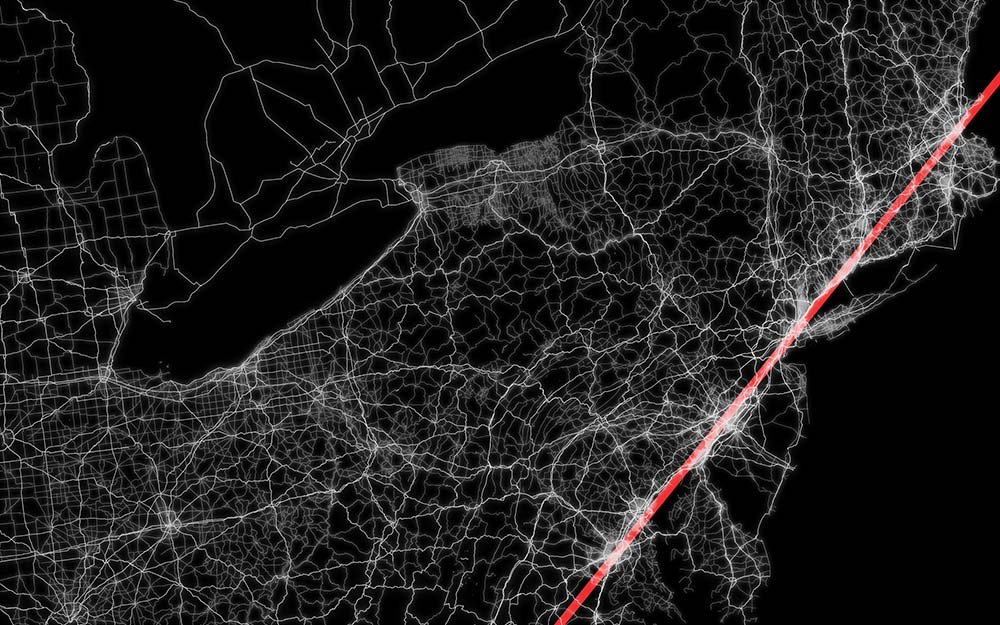

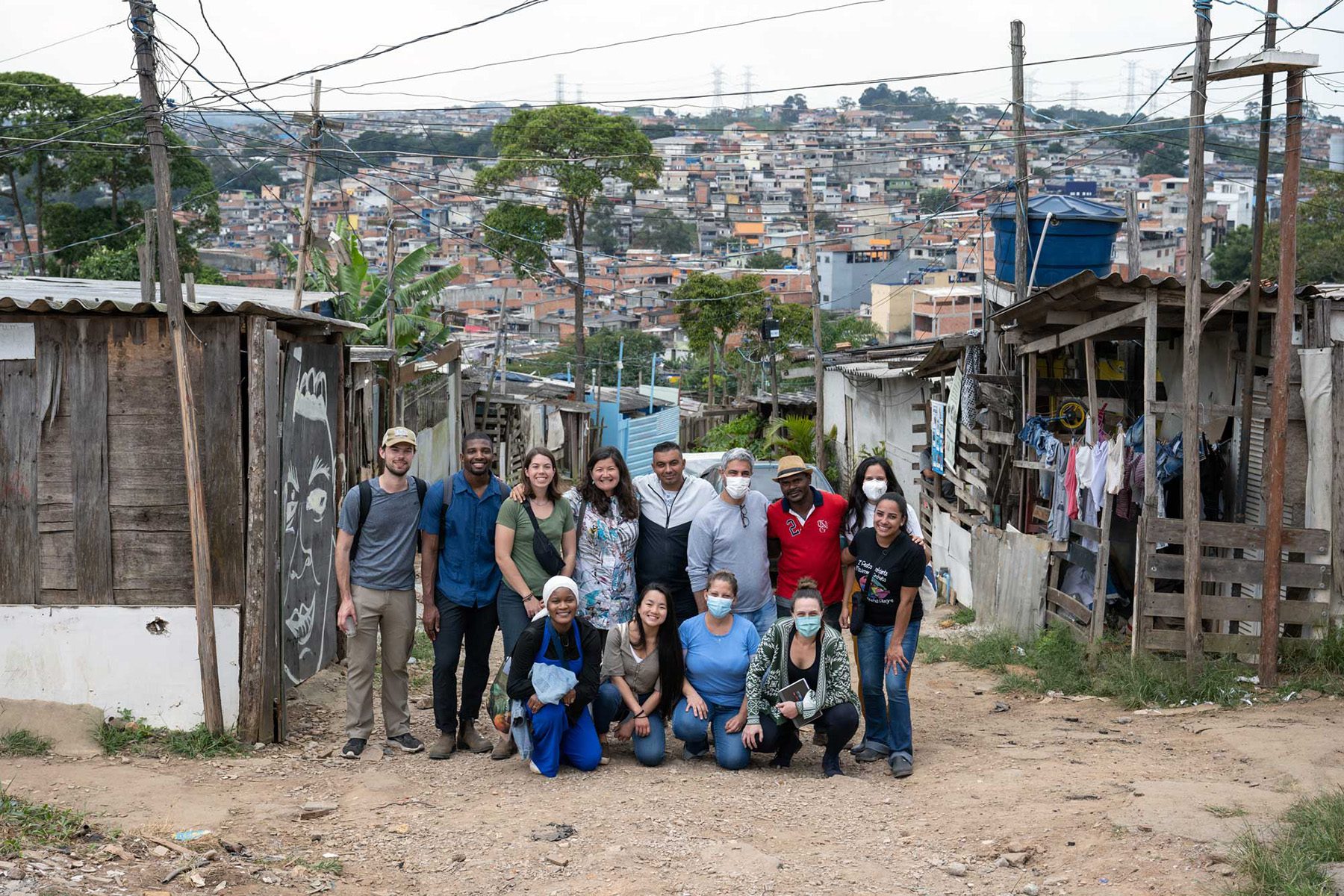
Taubman College planners lead in a changing world. We build knowledge, develop capabilities, and imagine possibilities to cultivate flourishing communities through our innovative curriculum, deeply committed faculty, interdisciplinary research, and public engagement.
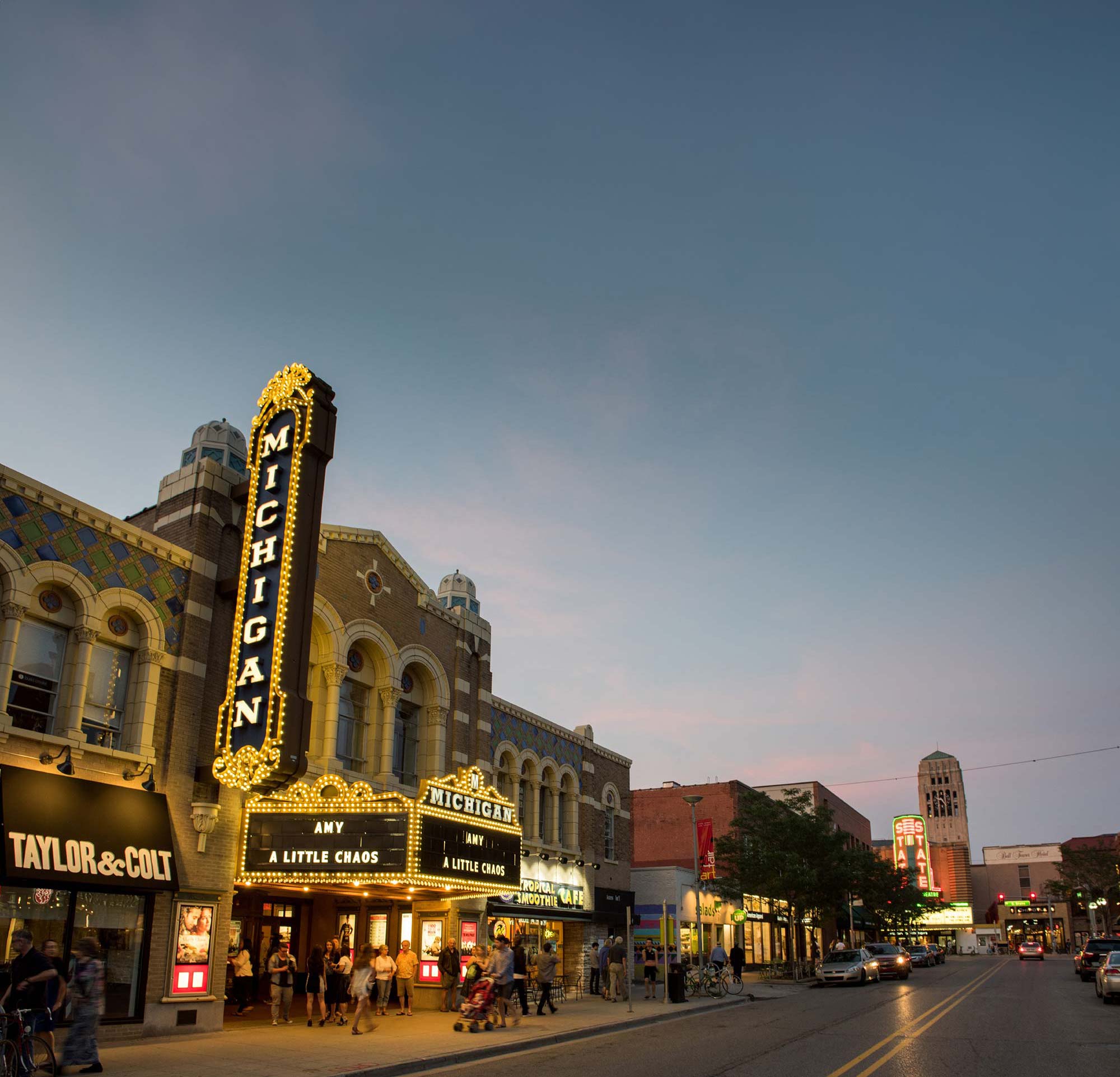
Situated in the dynamic city of Ann Arbor, in close proximity to Detroit and with strong ties to Michigan and the Great Lakes Region, the program boasts a wide array of engagements providing unparalleled opportunity to learning planning in one of the country’s most diverse and dynamic regions.
