


Real Estate Development Graduate Certificate
Taubman College’s 17-credit certificate in real estate development offers graduate students in many fields the opportunity to supplement their major areas of study with broad knowledge about making substantially better metropolitan developments.
The program is also a stand-alone certificate for full-time and part-time students who want to focus only on real estate development.
For more ways to engage in Real Estate extracurricular opportunities, hands-on industry experience, and more, visit the Weiser Center for Real Estate.
For more information about eligibility, requirements, courses, and more, please visit Grad Certificate Requirements: Real Estate Development on the Taubman College Intranet.
Real estate development shapes energy consumption, climate change, social equity, public finance, capital markets, and personal and corporate wealth. Since the 1990s, it has also become a major global financial asset class. As recent history shows, the collapse of a real estate bubble can trigger severe economic consequences.
For much of the last half-century, developers have produced standard, low-density, auto-oriented projects. Parking, road access, and zoning ordinances often determine this form of development. Developers, bankers, investors, and consultants have largely been trained to work within this model, even though it has created significant social, economic, fiscal, and environmental costs.
The revival of many American downtowns and the urbanization of selective suburban places are a testament to profound changes in real estate development after decades of building only drivable suburban development. However, just as the United States is adjusting to changing market demands, much of the developing world is emulating the drivable suburban American model of the twentieth century.
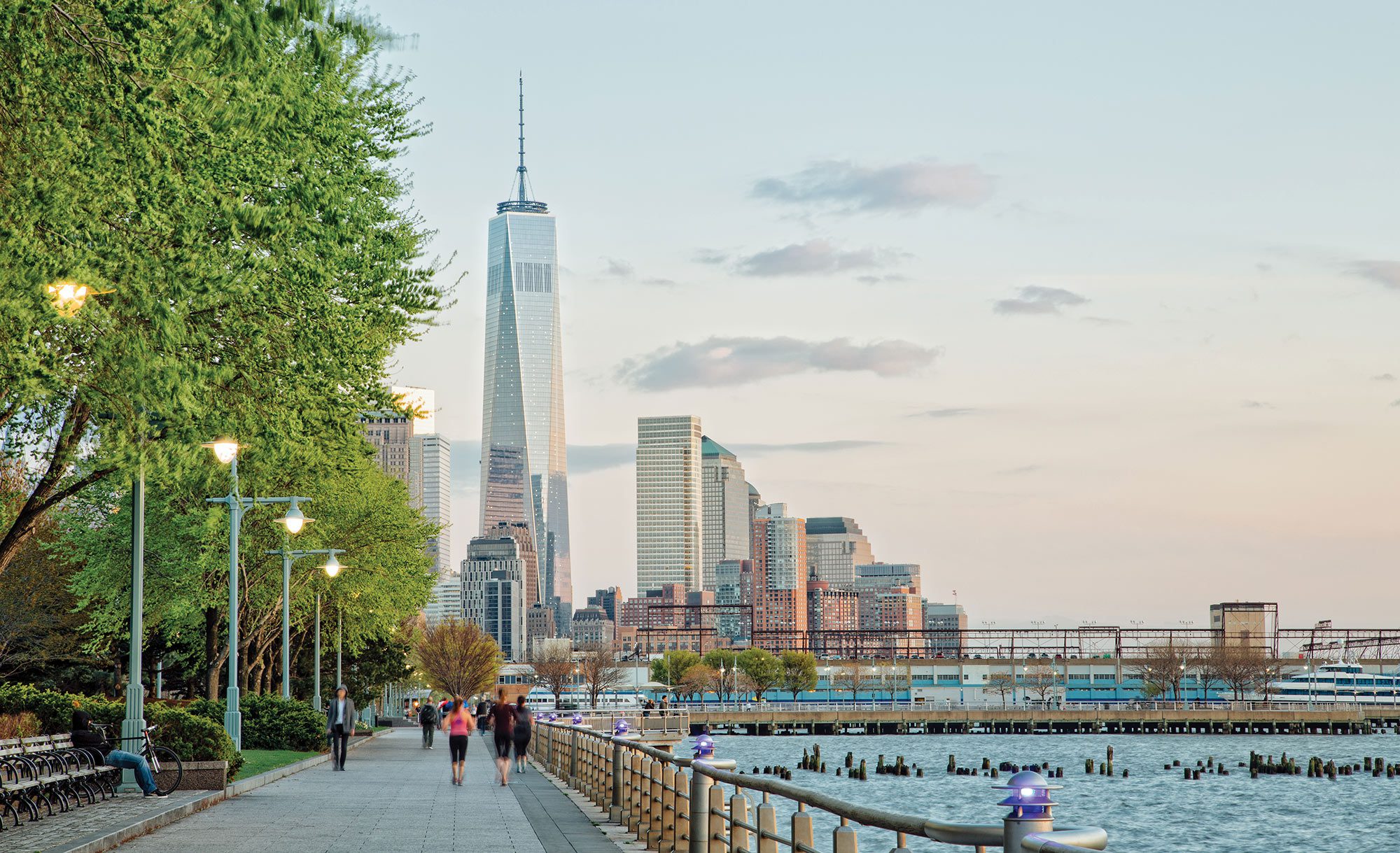
The University of Michigan real estate development program offers a different approach. We focus on creating sustainable, walkable, mixed-use places that reduce environmental impact, expand choices for people of all incomes, and support long-term value for communities and investors.
Students learn how to build places with a smaller ecological footprint, a stronger sense of place, and housing options across income levels. The program also examines land use regulation, sustainable development, sprawl, community design, and municipal finance, issues that shape local governments in the U.S. and abroad.
Many planners, lawyers, business leaders, and designers influence metropolitan development but lack a full understanding of real estate’s complexity. This certificate gives students a cross-disciplinary foundation in development, planning, design, finance, law, and policy, and is designed for students who want to influence how development occurs and help create built environments that are sustainable, inclusive, and worthy of long-term investment.
Eligibility
- Current U-M Rackham graduate student (for instance, MURP, MPP, MS SEAS, Ph.D.)
- Current U-M non-Rackham graduate student (for instance, M.Arch., MUD, MBA, JD)
- The program also considers applications from individuals who are not current U-M graduate students. Applicants must have completed a bachelor’s degree and have work experience that has led to the need for more background in real estate development.
- As Visas cannot be given for Certificate programs, International Students that are considered “Stand Alone” applicants are not eligible to apply for the Graduate Real Estate Development Certificate.
For more information about eligibility, requirements, courses, and more, please visit the Graduate Certificate Requirements: Real Estate Development article on the Taubman College Intranet.
People
The following faculty conduct teaching and research related to, and are participants in the Certificate Program.
D’Marco Ansari
Adjunct Practice Instructor
Bill Bubniak
Executive Director, Weiser Center for Real Estate, Director of Real Estate Initiatives, Associate Professor of Practice
Lan Deng
Chair and Professor, Urban and Regional Planning Program, Taubman College of Architecture and Urban Planning
Judith Grant Long
Associate Professor, Sport Management; Associate Professor, Urban and Regional Planning; Director, Center for Sports Venues & Real Estate Development; Graduate Faculty, Sport Management
Robert Jacobson
Lecturer
Wonwoo Lee
Adjunct Practice Instructor
Kit McCullough
Teaching Professor in Architecture, Taubman College of Architecture and Urban Planning
Joan Nassauer
Professor, Landscape Architecture, School for Environment and Sustainability
Lynda Oswald
Professor of Business Law, Ross School of Business
Zach Sheinberg
Lecturer of Finance, Ross School of Business
Martin West
Adjunct Practice Instructor
