


Focus Areas for Architecture
The Master of Architecture program offers students the opportunity to explore a broad range of topics. The focus areas listed below provide guidance about elective courses a student could take to gain depth in a specific area.
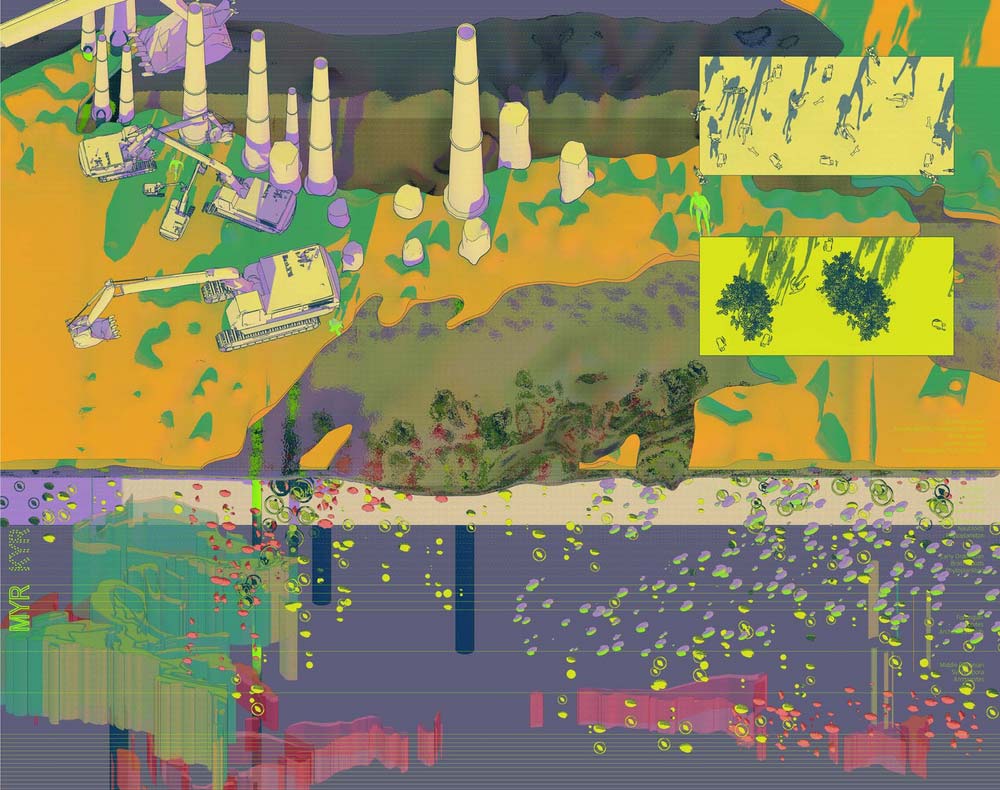
At Taubman College, we promote climate-centered research, creative practice and education connected to other departments at the University of Michigan and beyond. Our faculty are leading experts in the area of low-carbon building assemblies and materials, computational design and fabrication processes, high-performance buildings and renewable energy, extreme heat and water management in urban contexts, equitable transportation, energy, and food systems, urban transformation, adaptive reuse and degrowth.

Taubman College’s Digital Fabrication and Robotics Lab (FABLab) supports research and teaching in digital fabrication, robotic construction, and computational design. Our faculty work on cutting-edge research in advanced fabrication techniques and technological and material innovations, including robotic construction, additive manufacturing, human-machine collaboration, optimization, extended reality, and machine learning.

Situated in close proximity to Detroit, we situate architectural practice in the context of complex global processes and urban transformation. Our faculty offer courses centered on experimentation and speculative design across regional structures and territory, urban housing, urban technologies, climate adaptation and resilience, civic space, innovative development practices, urban governance, and landscape processes.

In an age of image and information overabundance, processes of representation in the evolution of design work and its communication to specific audiences have become increasingly complex. Supported by Taubman College’s TVLab, faculty offer courses that focus on the production and discursive capacity of images in a post-digital world, the telemetric quality of the architect’s tools, and hybrid forms of image-making that convey observations and ideas about objects and space into visual media.

As the effects of climate change increasingly highlight the urgency of sustainable construction methods, courses in this area offer an introduction to, and focus on specific construction materials and methods. Specific topics within this area include masonry, integrated environmental systems, enclosure systems, bio-materials, energy conservation, passive strategies, and renewable energy.

In recent years, architecture’s potential role in undoing systems of inequality has become an important consideration in design. Architecture operates in the context of capitalism, racism, patriarchy, land dispossession, labor struggles, and environmental disaster, yet also offers potentials to counter them. Courses in this area reflect on the histories and mechanisms of design activism, social justice, advocacy, and community empowerment.

The recent COVID pandemic has highlighted the need for innovative thinking and integrative approaches to design in pursuit of health equity and improved health outcomes. Courses in this area bridge urban design and land-use, housing, disability studies, wearable devices, furniture, ergonomics, immersive spaces and XR, hospital and care facility design, institutional buildings, and public policy.
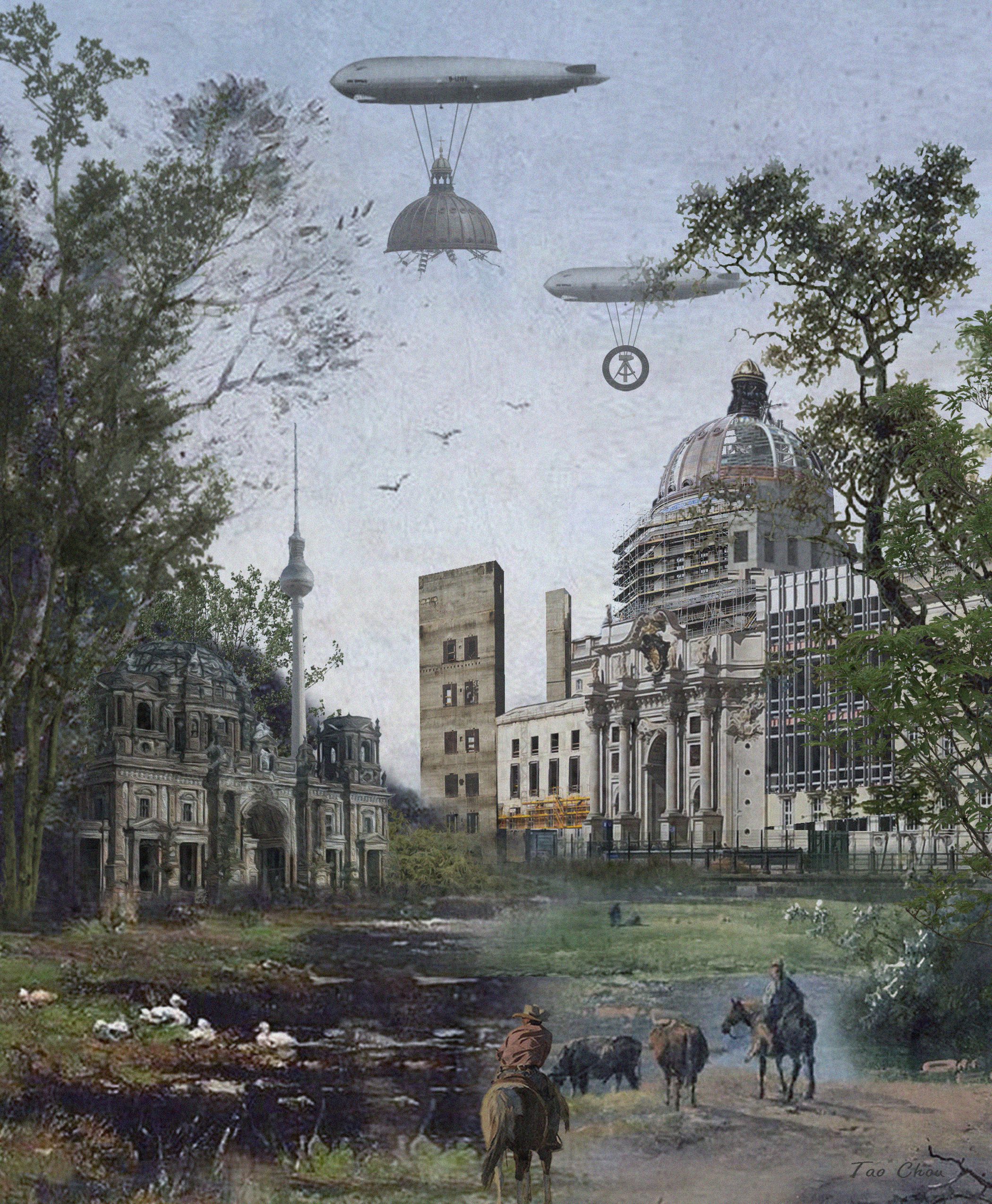
Courses in this area trace the developments in the history and theory of architecture and urban design in relation to formal and theoretical concerns. They contextualize the evolution of formal and conceptual approaches within relevant theoretical premises and historical contexts.

In the context of today’s rapidly evolving building industry, courses in this area familiarize students with entrepreneurship, community engagement, and other historical, practical, ethical, organizational, legal, financial, social, and technological conditions associated with architectural practice.
