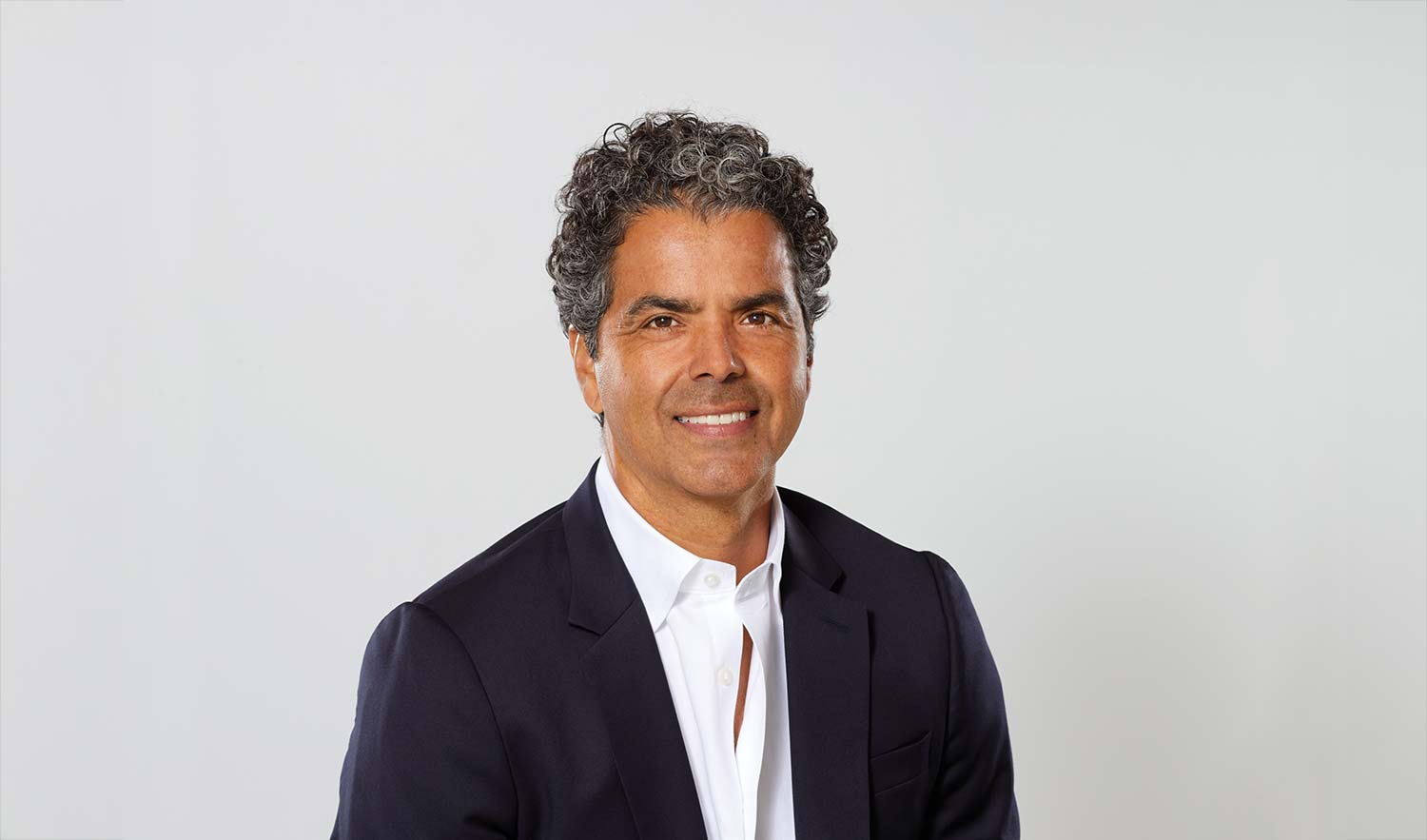
Stepping up and ‘Being a Voice’: Kyle L. Schertzing, B.S. Arch ’05, funds faculty research on Michigan’s Indian boarding schools.
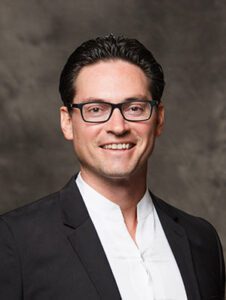
A collaborative research project years in the making between Taubman College and a Michigan Tribal Nation to document the history of a Federal Indian Industrial Boarding School got underway this summer, thanks to the support of alumnus Kyle L. Schertzing, B.S. Arch ’05.
Led by Robert Adams, associate professor of architecture, and Dawn Gilpin, lecturer IV, and supported by Margaret Hillengas, post-graduate research assistant and director of the EIPC Scan-Lab, the multiyear, interdisciplinary effort with the Saginaw Chippewa Indian Tribe of Michigan will collect and share the history of the Mount Pleasant Indian Boarding School through LiDAR surveys, exhibition prototyping, and digitally immersive storytelling. But it almost didn’t happen, after a National Endowment for the Humanities grant was rescinded under the current federal administration. “This important project built a meaningful partnership between Taubman College and Tribal Sovereign Nations. It was a loss to have the NEH funding pulled,” says Kathy Velikov, associate dean for research. “Kyle’s support allows this work to move forward with an expanded scope and purpose, and opens doors for research partnerships to make a real impact on the lives of Tribal citizens in our state through knowledge building and the recovery of cultural histories.”
Born and raised in Chelsea, Michigan, Schertzing is a San Diego-based architect, member of the Taubman College Alumni Council, and a citizen of The Little Traverse Bay Bands of Odawa Indians. When the project lost its funding, he made a gift to keep it going and expand it to include the impact of all five of the state’s Indian boarding schools on Tribal communities. The findings will be owned by all 12 Michigan tribes. “For me, it’s also about being a voice with Robert and Dawn and raising awareness of the actual history,” says Schertzing, who also serves on the project’s board. “To know that there was a culture within architecture that agreed to create these buildings for such horrific things is disgraceful.”
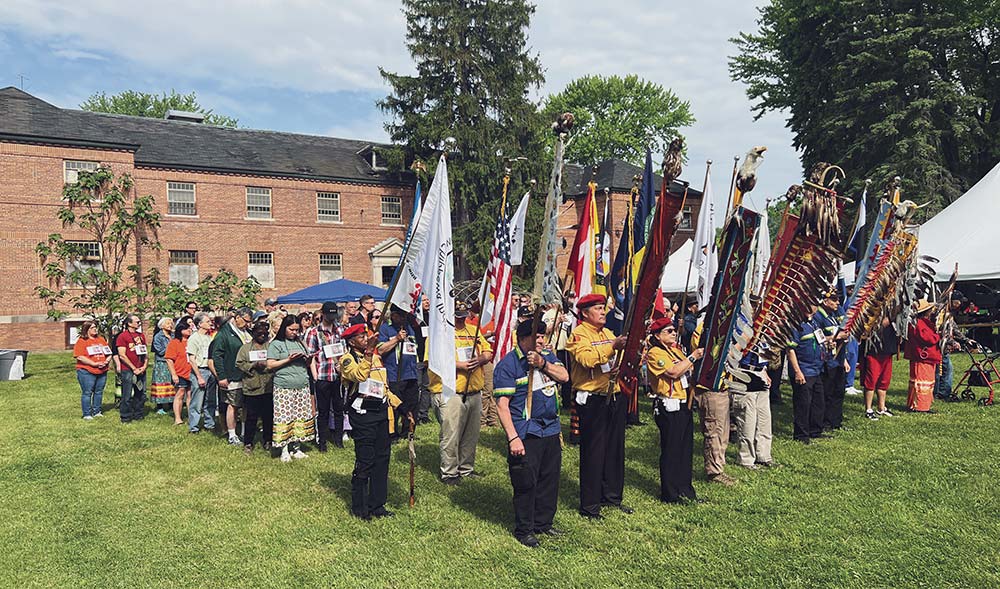
Between 1,000 and 3,000 children are estimated to have died attending Federal Indian boarding schools for forced assimilation across the U.S. in the 19th and early 20th centuries, including Mount Pleasant, where children from across the region were transported. “The impact of Kyle’s gift is two-fold,” Adams says. “It supports the Chippewa Indian Tribe of Michigan in telling their story about the history of the Mount Pleasant Indian Industrial Boarding School, and it launches a new research project that examines the impact of epistemicide and cultural erasure on all 12 Indigenous Tribes in Michigan.”
— Eric Gallippo