


Water, Infrastructure, and Coastal Resilience
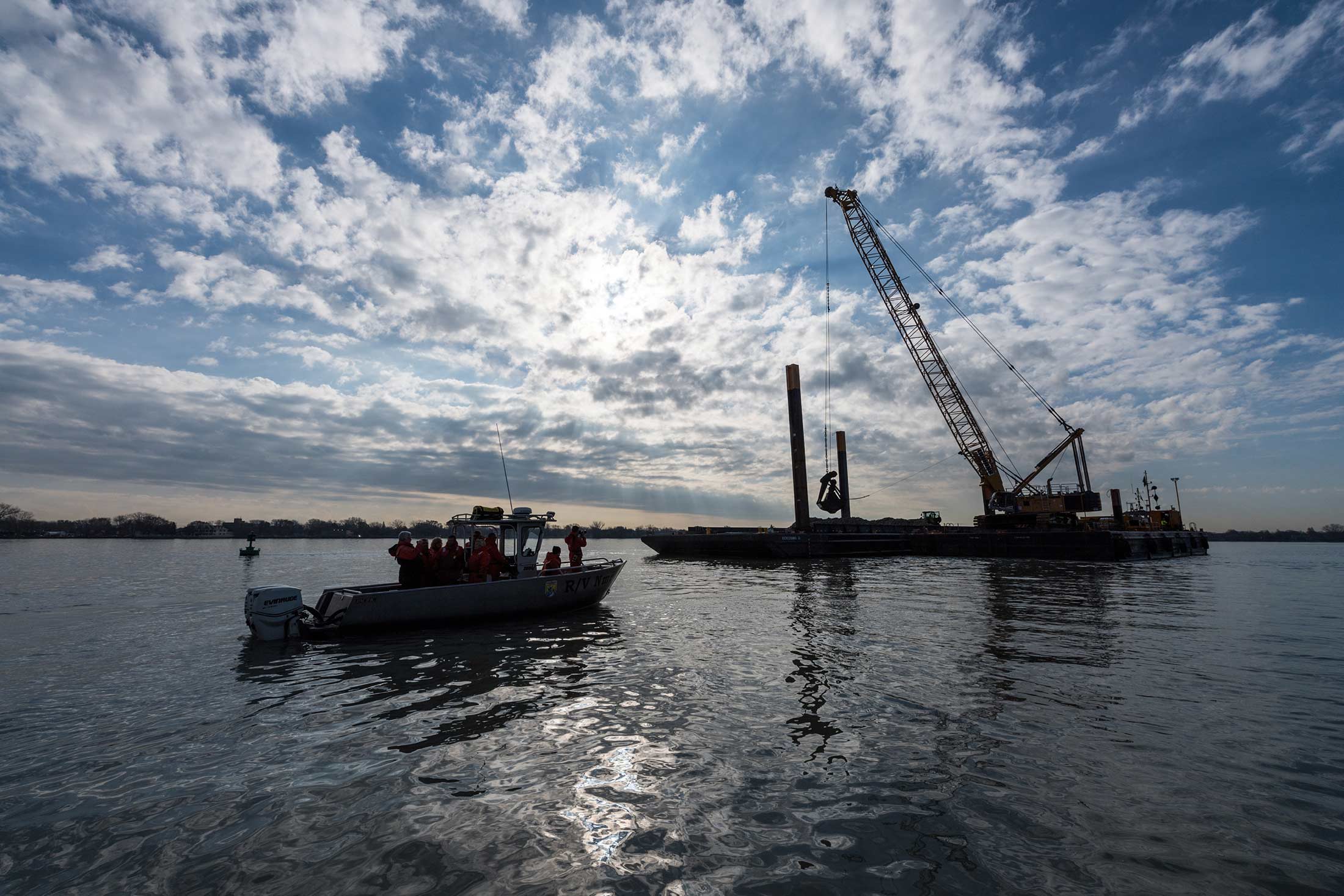
The Water, Infrastructure and Coastal Resilience cluster at Taubman College is a collection of interdisciplinary projects that spans faculty, staff, researchers, and students from across the University of Michigan who work with communities and constituencies across the state of Michigan, North America, and around the world to engage, understand, foster dialogue, plan, design, and document water, watershed, stormwater, and coastal resilience, governance, law, and infrastructures.
How to Engage
For Collaborators and Partners
Co-design, pilot, and scale interventions. We often seek partnerships to develop and harmonize local data, connect expertise to challenges, and help extend networks of support.
For Prospective Students and Research Assistants
Join interdisciplinary teams tackling global, socio-technical challenges in the built environment.
For Funders
Support research and implementation that advances community resilience and health. We use funds to enable research training, work with student research assistants, conduct field research and implementation activities, analyze data and evidence, procure and test materials, and develop guides, policy briefs, and peer-reviewed publications.
People, Teams, and Partners
This cluster encompasses both individual faculty-led projects, as well as collaborative team research programs and global research coordination networks.
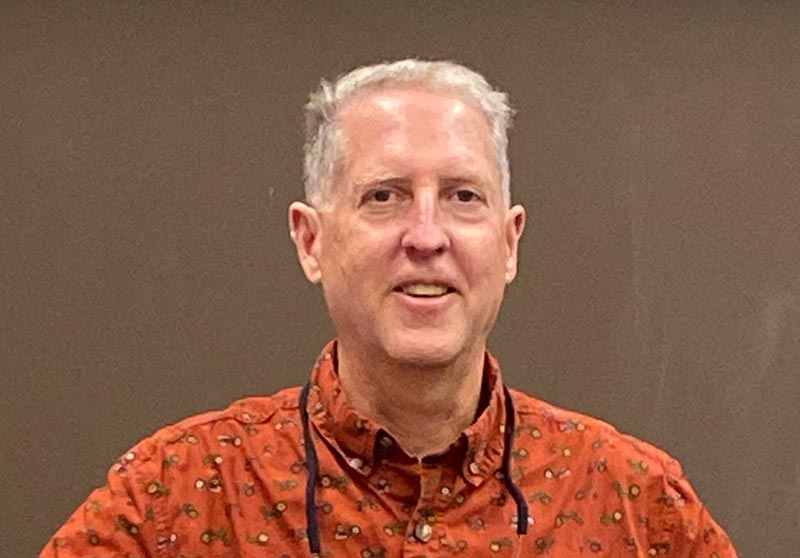
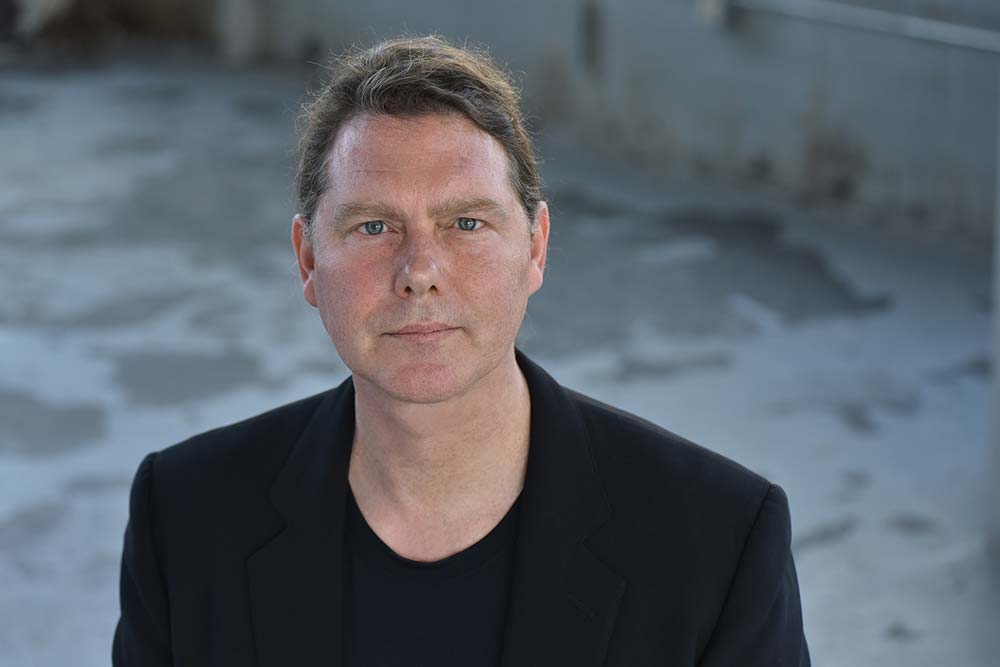
Richard K. Norton is a professor of urban and regional planning at the University of Michigan’s Taubman College of Architecture and Urban Planning. He also holds a joint appointment as a professor in the Program in the Environment through U-M’s College of Literature, Science, and the Arts and School for Environment and Sustainability. Norton teaches and conducts research in the areas of planning law, sustainable development, land use and environmental planning, and coastal area management. Most of his research has focused on the challenges of managing coastal shorelands along the Laurentian Great Lakes. He also contributes actively to public service through community-engaged research and teaching, and by serving on the planning law committee of the Michigan Association of Planning (MAP).
Jono Bentley Sturt is a lecturer in architecture at the University of Michigan’s Taubman College of Architecture and Urban Planning, where he teaches at the pre-architecture, undergraduate, and graduate levels. He also is a co-founder of Section Cut in San Francisco, founder of the design studio HTCHBCK, and frequent contributor to Archolab, an award-winning architectural research collaborative. He has worked at both domestic and international architecture firms.
Steven Mankouche is a registered architect and a professor of architecture at the University of Michigan’s Taubman College of Architecture and Urban Planning. Mankouche is a co-founder of ARCHOLAB (Architectural Research Collaborative) whose work focuses on two primary disciplinary concerns: the ability for people to construct their own environment, and understanding the relationship between history, technology, materials, and labor.
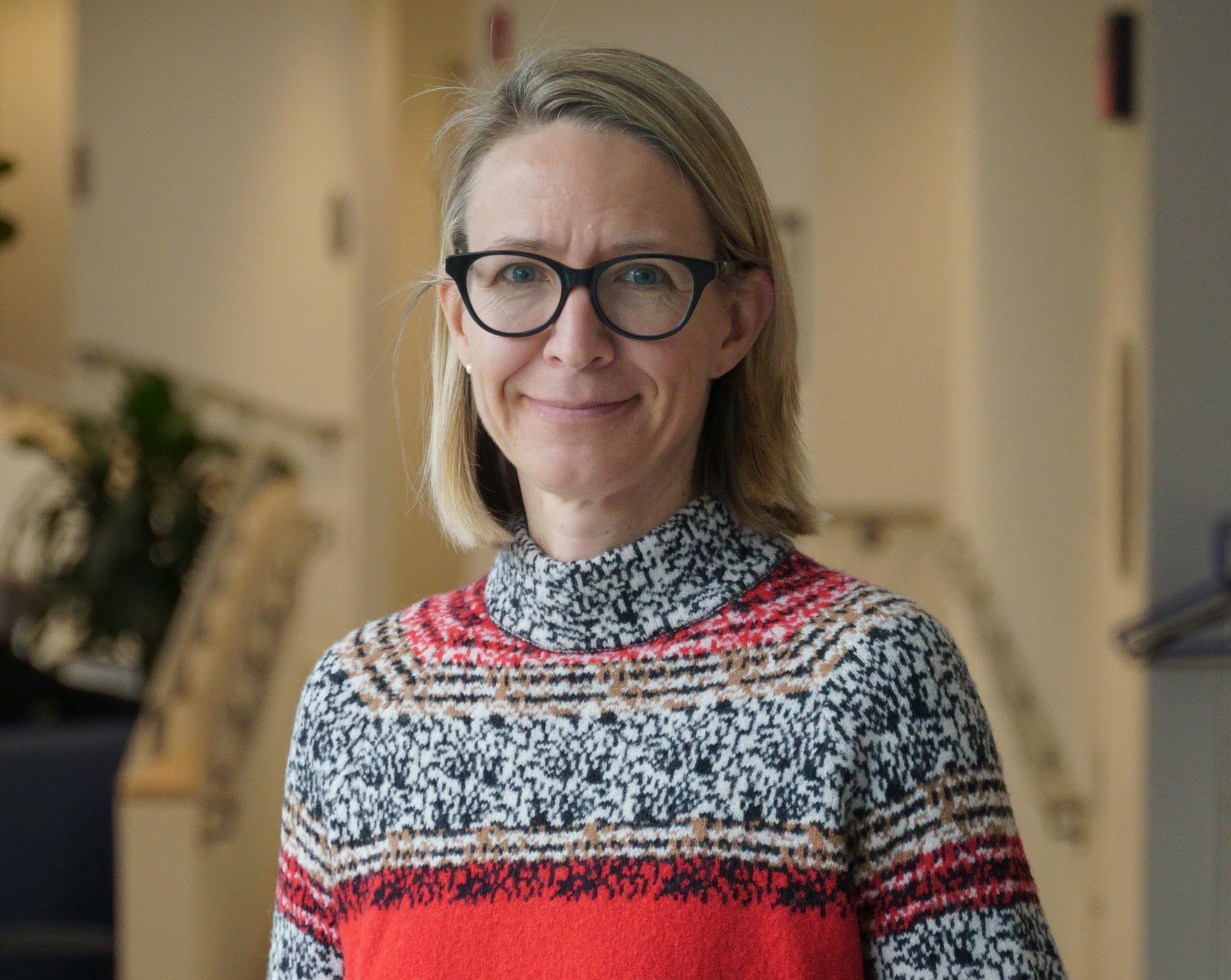
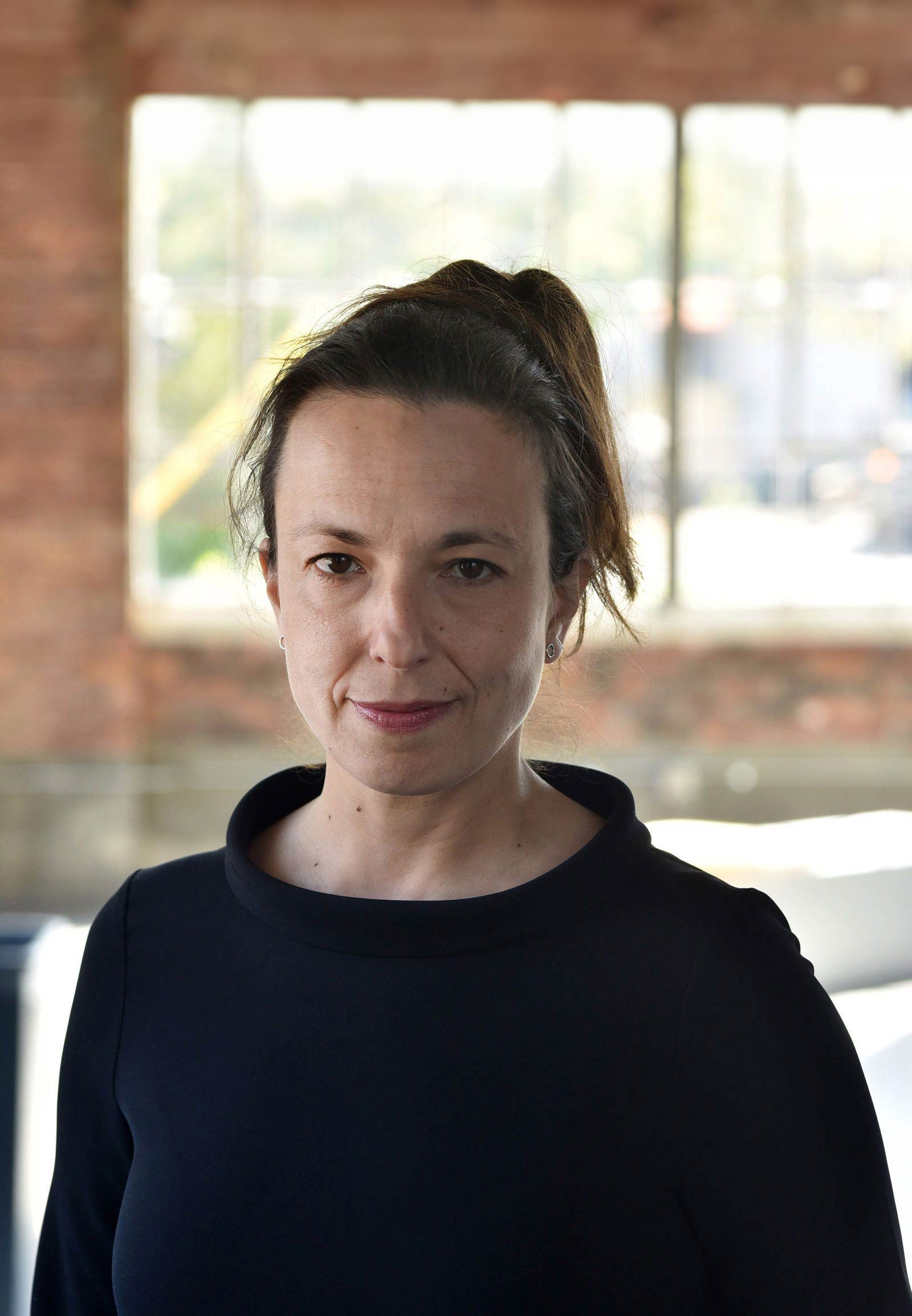
Kathy Veliov is a leader in practice-based design research and education, advancing environmentally responsive, technologically enabled, and climate positive built environments through speculation, prototyping, and visualization for responsive architectural material assemblies, resilient multifunctional urban infrastructures, and territorial practices for decarbonization.
María Arquero de Alarcón is an associate professor of architecture and urban and regional planning at the University of Michigan Taubman College. Her work advances urban strategies promoting cultural and environmental values in territories under conditions of scarcity.
Margaret Dewar is professor emerita of urban and regional planning and special advisor with UM’s Poverty Solutions. Her research analyzes how planners can address issues facing cities that have experienced substantial population and employment loss. She studies remaking cities following abandonment, strengthening deteriorated neighborhoods, and reducing the harm residents experience from disinvestment in their
city.
Research Scope & Societal Relevance
Cluster projects address critical, interconnected issues:
- Protecting shoreline structures and the water itself.
- Addressing contamination and pollution issues.
- Building community resilience and protecting their interests.
- Balancing the expectations of residents and property owners with community interests.
- Navigating use of property in environmentally sensitive or hazardous areas.
- Desire to live by the water versus ecological harm, loss of public access, and other social concerns.
- Planning and legal considerations to keep people safe while conserving natural areas.
Constellations of Projects & Methodologies
The cluster is defined by projects and outputs that share methodological threads while adapting to water and infrastructure contexts and community needs:
Michigan Great Lakes Coastal Program
Developing training to encourage and help Michigan great lakes coastal communities to pay attention to coastal short lands and plan and manage them, through the Michigan Great Lakes Coastal Program.
Semi Mobile Housing Systems
Exploring semi-mobile housing systems and investigating how construction of homes can adapt to coastal encroachment along the Great Lakes, where shorelines gradually erode and creep landward.
Integrating Nature Based Solutions into a Comprehensive Stormwater Strategy for SE Michigan
Developing a regional vision and scalable model for climate adaptation strategies that leverage open-space systems to integrate large-scale nature-based solutions (such as wetlands or restoration of historic stream channels) with grey infrastructure systems (such as pipes and drains).
Dearborn Industrial Greenbelt Nature Based Solutions Feasibility Study
Conceptualizing the Industrial Greenbelt as a multifunctional vegetated buffer on city-owned properties and assesses its environmental benefits for air quality mitigation, as well as potential co-benefits, including flood and noise pollution mitigation, the creation of wildlife habitats, and an improved quality of life.
Notion Archeological Ecological Park
Managing the archaeological heritage of the site as excavations progress and the site becomes formalized as a park, while also providing a vision for integrating the site with its natural and settled surroundings.
Climate change and transboundary waters
Research into needs and opportunities around the Great Lakes Coast and Adopting Best Management Practices to Improve Coastal Community Resilience.
Longer-Term Goals & Future Objectives
- Publishing peer-reviewed research and presenting findings at academic and professional conferences.
- Supporting and advancing the implementation of Michigan Great Lakes Coastal Program training initiatives.
- Collaborating with research fellows and interdisciplinary partners to expand and advance ongoing research efforts.
 Link copied