


Master of Urban Technology
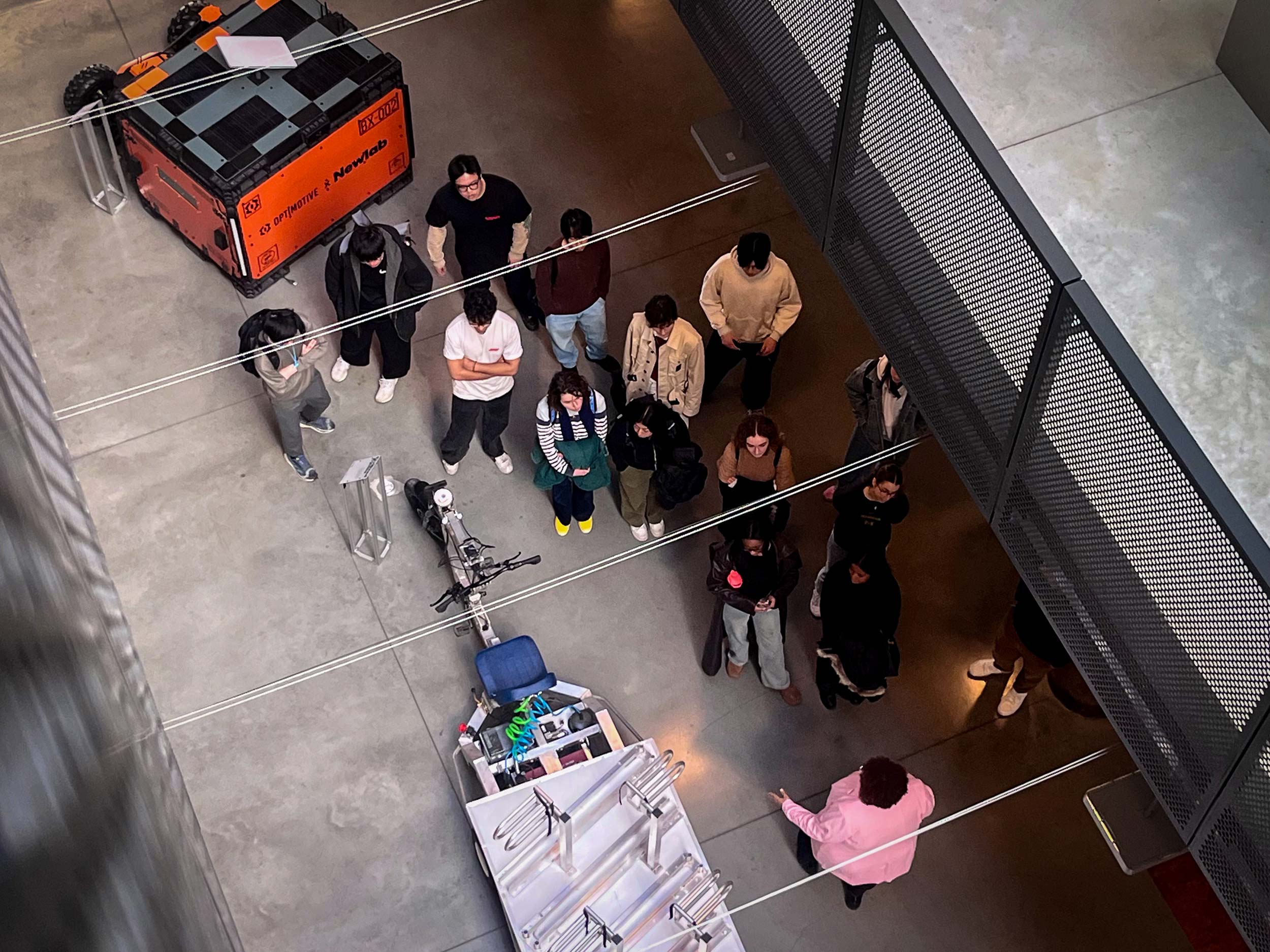
Master of Urban Technology at the University of Michigan Center for Innovation (UMCI)
Detroit, MI
The work of the built environment deals with places not yet developed, plans not yet built, designs not yet imagined, construction techniques not yet tried, and policies not yet written. Yet the built environment sector—architecture, engineering, construction, real estate, and operations—is known for traditional processes and lagging productivity. A sector dedicated to the future of our communities struggles to keep pace and imagine its own progression.
The supply chain that delivers the built world has long been optimized for cost, but communities and asset owners care about sustainability, wellness, and inclusion too. The AECO sector shapes all of them. The costs of underperformance aren’t borne by professionals alone; they’re borne by society. Construction represents 6% of global GDP and the built environment is responsible for 37% of global emissions, yet AECO is one of the least digitized sectors of the economy and one of the lowest investors in R&D. To do better for society, the professionals who plan, design, and build the built environment need to find ways to do better for ourselves.
With this new degree, Taubman College is signaling an expanded focus: excellence in architecture, urban planning, urban design, and real estate isn’t enough. As a city-maker, you also need new ways of working in the gray areas between those silos—where responsibilities are shared and no single discipline owns the outcome. You will become part of a cohort of emerging leaders across sectors and backgrounds working together to create evidence-based approaches, new business models, and new technology.
Taubman College is launching the Master of Urban Technology degree as a 12-month program on business, innovation, and tech for city-makers. The degree will be among the inaugural graduate degrees at the University of Michigan Center for Innovation in Detroit beginning in Fall 2027. Hosted in a city known for its reinvention, students will engage the challenges our cities face in real time. Sign up to get an early notification with more detail to come.
Receive information about the Master of Urban Technology.
