


Asher Lin
Degree Programs: M.U.R.P.
Hometown: Fuzhou, Fujian, China
Current Employer: AutoSitu
Job title: Co-Founder

Master of Urban and Regional Planning
“What I liked best was Taubman’s encouragement to integrate cutting-edge technology into real urban challenges, without losing the human and civic purpose behind the work.”
Describe the work you do. What are some of your recent and current projects that excite you? What inspires you about the future of your chosen field?
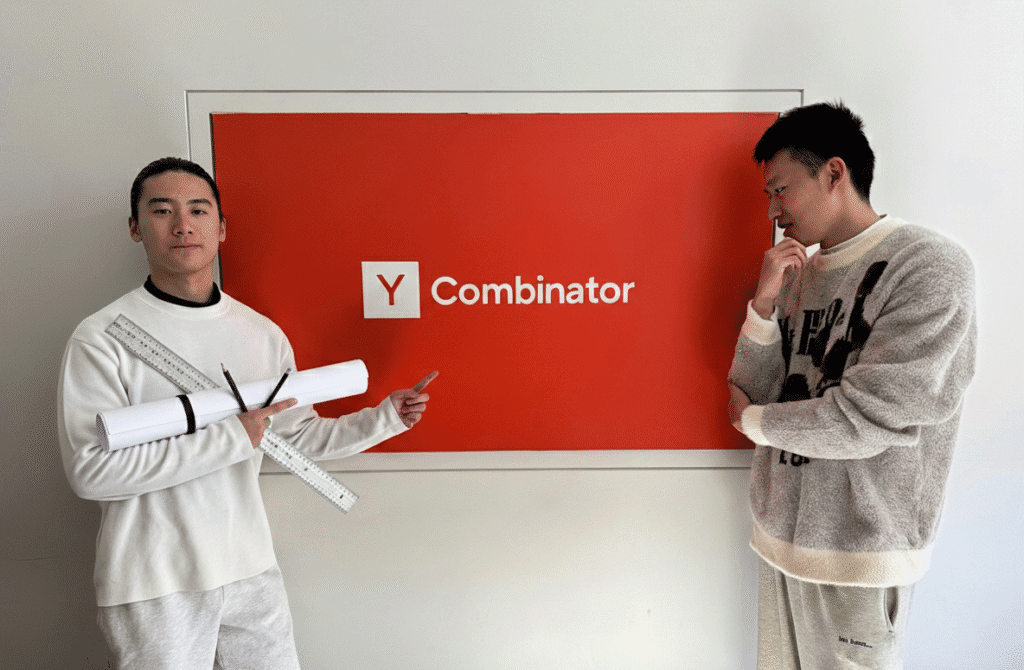
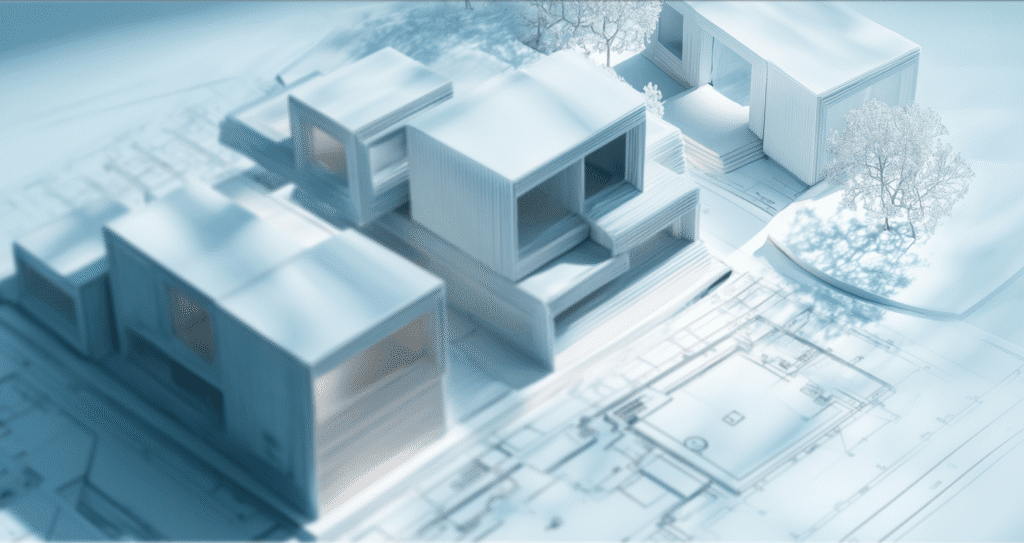
I’m a co-founder of AutoSitu, an AI platform that reviews plan sets (site plans, civil, architectural) the way a city reviewer would, flagging QA/QC, missing information, and code/completeness issues early, so teams can avoid avoidable resubmittals and RFIs.
Before founding AutoSitu, I worked at the intersection of urban planning and emerging technology in TVLab, using XR/AR to make planning and public engagement more accessible and visual. Recent projects I’m proud of include AR-based educational work in Detroit focused on local Black history, and public-facing XR/engagement work that translated complex urban issues into experiences people could actually interact with for my exit capstone project in Joe Louis Greenway.
What excites me most now is the future of “decision intelligence” in the built environment: using AI not to replace professional judgment, but to reduce administrative friction, shorten review cycles, and free planners, architects, and engineers to focus on design quality, safety, and community impact.
Why did you choose Taubman College as the right program for you?
I chose Taubman because it’s one of the rare places where design, planning, and technology are treated as connected, especially in TVLab, not separate silos. I wanted an environment that valued both rigor and experimentation: the ability to zoom out to systems-level thinking (policy, land use, governance) while still building tangible artifacts (visuals, prototypes, narratives) that can move real stakeholders.
Taubman also offered a community that is unusually collaborative and outward-facing, people who care about impact beyond the classroom, and who are willing to test ideas in the real world.
How did Taubman College prepare you for your career? What experiences beyond the classroom (internships, research assistantships, teaching opportunities, or other external experiences) provided additional value?
Taubman trained me to think like a bridge-builder: translate between technical constraints, public-sector realities, and human needs. The studio culture helped me become comfortable with ambiguity, iteration, and critique, skills I use every day as a founder building products with cities and AEC teams.
Beyond the classroom, my most valuable experiences were applied projects and collaborations where we had to communicate complex planning information to non-experts. I also served as a teaching assistant (UT 360) and led 1:1 sessions, which sharpened my ability to explain difficult concepts clearly, something that matters a lot when you’re introducing new technology to government and industry partners.
Those combined experiences gave me a foundation in research, storytelling, and execution, on how to move from insight → prototype → real-world adoption. Shout out to the Urban Tech program on this, too!
How has being part of the alumni community impacted you, personally and professionally?
The alumni network has been a real source of momentum, both in encouragement and in practical support. As I’ve worked with cities, architects, and developers, the “Go Blue” connection has opened doors, accelerated trust, and created opportunities for mentorship.
Personally, it’s also grounding. Founding a company can feel isolating, and the Taubman/UMich community stays with me and reminds me that the work is part of a bigger mission: improving how cities function and how people experience the built environment.
What did you like best about attending Taubman College?
What I liked best was Taubman’s encouragement to integrate cutting-edge technology into real urban challenges, without losing the human and civic purpose behind the work. There’s a culture that supports experimentation: you’re not just allowed to try new tools and workflows, you’re pushed to test them rigorously, iterate fast, and make them useful in practice.
I also valued the community’s interdisciplinarity. Being surrounded by people in architecture, planning, urban design, and tech made it natural to connect ideas across fields, and that mindset of bridging domains is central to the work I do today.
What advice or important lesson would you share with someone considering Taubman College and/or pursuing a career in your chosen field?
Learn to communicate across worlds. The most valuable planners and designers I know can speak policy, design, data, and AI, and can translate between community members, technical experts, and decision-makers.
Also, stay close to real problems. Don’t just study systems, ship something (pull request, straight to main!), test it, and learn from the friction. Whether you’re doing public engagement, building tools, or shaping policy, the future belongs to people who can pair empathy with execution.
Finally, keep your “why” clear. Cities are complex, and progress can feel slow. The work stays meaningful when you remember you’re ultimately improving people’s everyday lives.
