Liang, Mills, and Wilcox receive 2026 Sustainability Catalyst Grants
Taubman College’s Xiaofan Liang, assistant professor of urban and regional planning, Sarah Mills, associate professor of urban planning, and Glenn Wilcox, associate professor of architecture, are members of two project teams recognized with 2026 Graham Sustainability Institute Catalyst Grants.
Since 2017, the University of Michigan’s Graham Sustainability Institute has offered Sustainability Catalyst grants to support small-scale, collaborative, interdisciplinary sustainability research. This year, seven newly awarded grants engage researchers from diverse fields, including public health, engineering, design, agriculture, data systems, and the performing arts.
Liang and Mills are co-investigators on Behind the Cloud: How Datacenters Shape Water, Energy, and Communities, and Wilcox is a co-investigator on Seeding Sustainability: Growing the Benefits of Michigan Hemp Production. More from the Graham Institute on both projects is below.
Behind the Cloud: How Datacenters Shape Water, Energy, and Communities
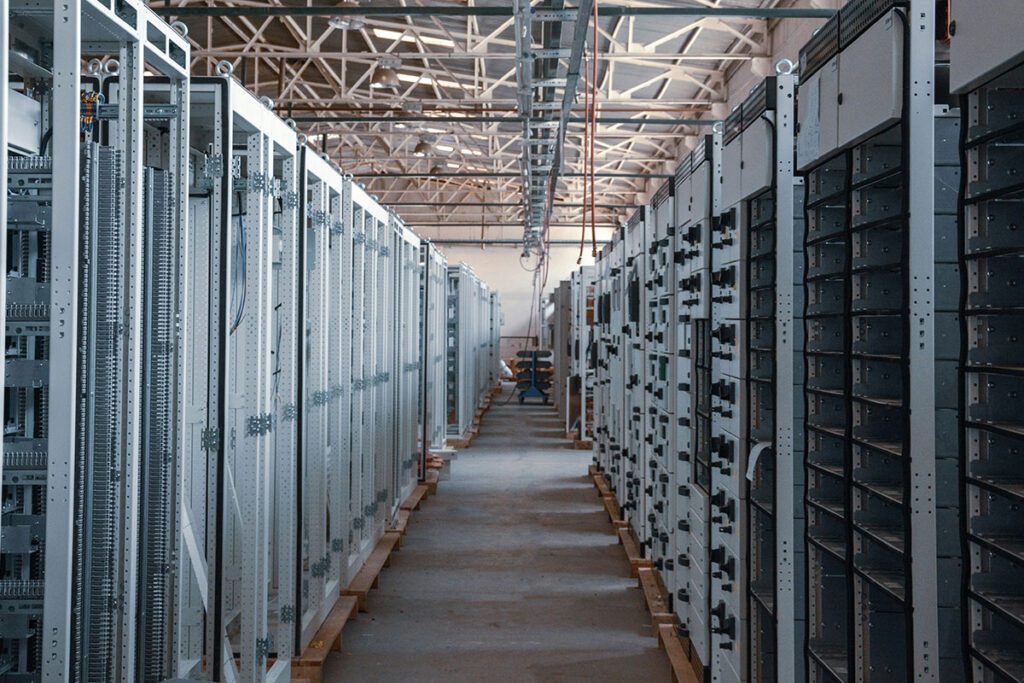
The rapid proliferation of data centers imposes significant and often poorly understood demands on local energy and water systems. Loudoun County, Virginia, home to the world’s largest concentration of data centers, has become a focal point for these challenges, as communities and utilities navigate infrastructure strain, rising costs, and environmental impacts.
This project aims to clarify both the challenges and opportunities of data center expansion. The team will partner with the Upper Occoquan Service Authority (UOSA), the regional water utility serving Loudoun County, to examine how data center siting, design, and operations — from energy sourcing to cooling technologies and water use — affect local communities. UOSA’s expertise in water resources, infrastructure planning, and community impacts will guide the research, connect the team with stakeholders, highlight knowledge gaps, and provide feedback on findings, ensuring the research reflects local realities and produces mutually beneficial insights.
The project will culminate in a white paper and a cross-disciplinary workshop to lay the groundwork for a broader research agenda on sustainable digital infrastructure. The team will also develop an open-source computational model of the data center–energy–water system to explore interconnected impacts. The model will reveal where energy and water demands align, creating opportunities for co-benefits such as reduced water use and lower emissions, and where they diverge, exposing tradeoffs and risks. Together, the white paper, workshop, and model will equip policymakers, utilities, and communities with actionable information to guide sustainable datacenter growth.
Project team: Rabab Haider, PI (Civil and Environmental Engineering), Nancy Love, co-I (Civil and Environmental Engineering), Amanda Ullman, co-I (Institute for Energy Solutions), Xiaofan Liang, co-I (Taubman College), Sarah Mills, co-I (Center for EmPowering Communities, Taubman College), Upper Occoquan Service Authority (External Partner)
Seeding Sustainability: Growing the Benefits of Michigan Hemp Production
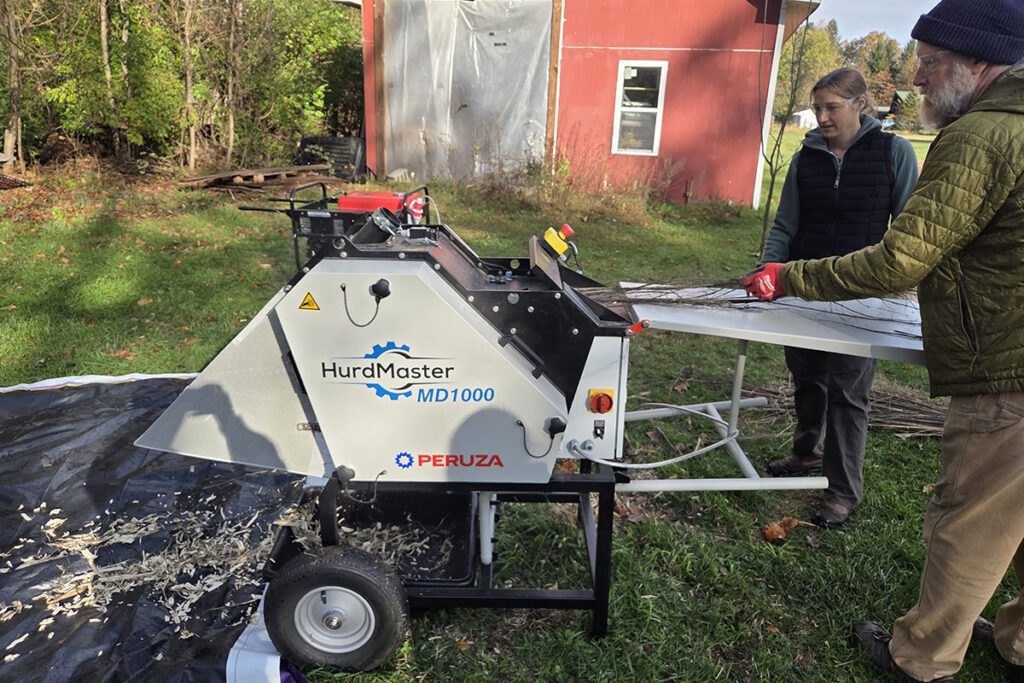
Michigan-grown hemp holds promise as a fast-growing, pest-resistant, carbon-sequestering crop, capable of capturing 2–3 tons of carbon per acre and locking it into long-lasting products. Yet farmers often lack the tools and infrastructure to efficiently turn their harvests into high-value materials, and research gaps remain in optimizing processing methods.
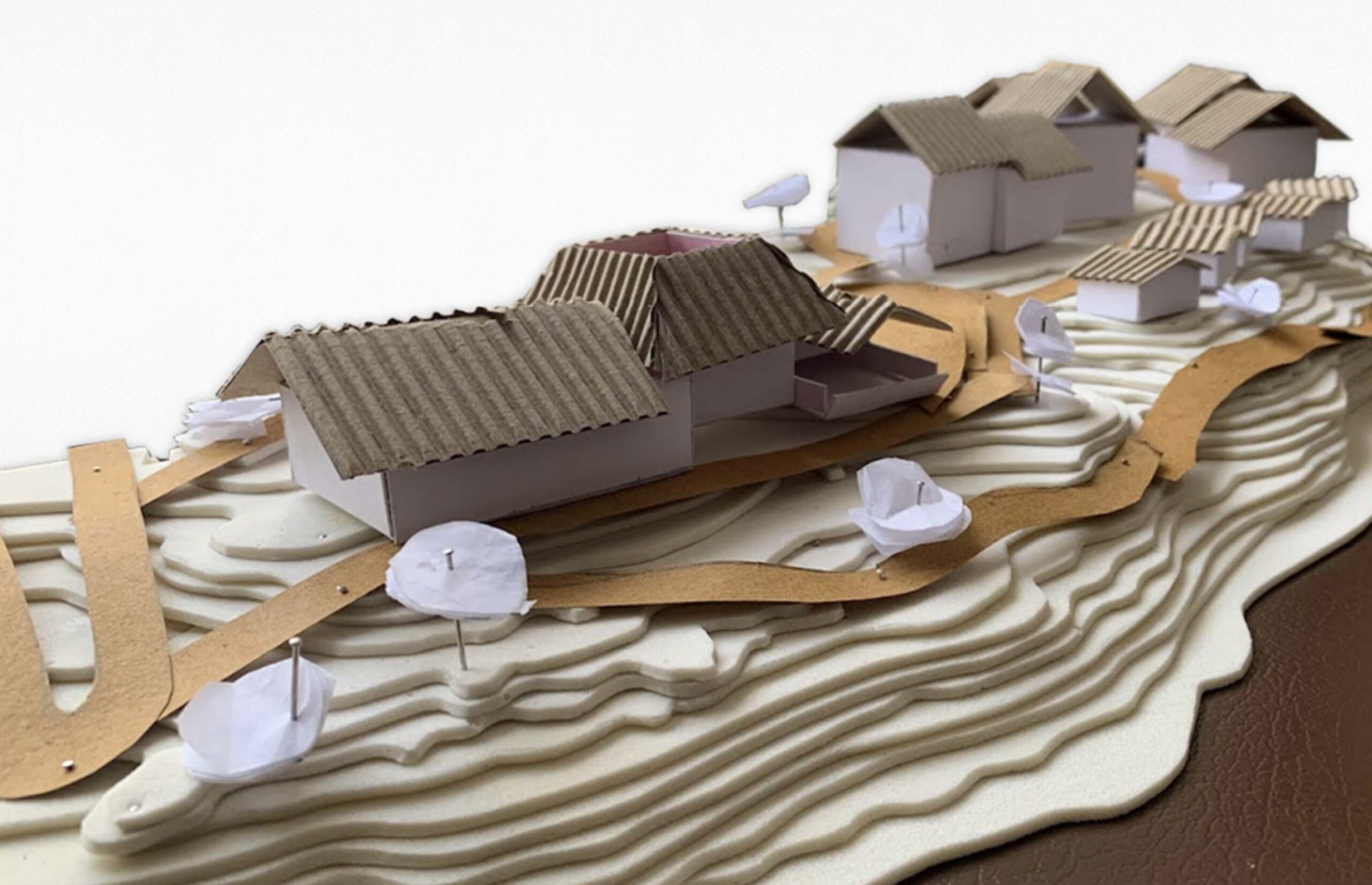
This team is partnering with Pott Farms to explore how hemp combined with mycelium — a natural fungal network — can create durable, biodegradable materials for furniture, packaging, and building components. A key step is decortication, which separates the plant’s fibers from its woody core. Pott Farms, home to one of the few portable decorticators in the U.S., will serve as a testbed to study how different processing methods affect material strength and carbon-storage potential. Graduate students will contribute by helping transform these experiments into furniture prototypes.
Pott Farms has long worked to lower barriers for Michigan hemp farmers seeking to produce hemp-based products. By collaborating closely with the farm, the team can develop practical guidance for small- and mid-scale growers to maximize crop value. Combining local farming expertise with hands-on research in materials and design, the project will demonstrate sustainable production that supports farmers, fosters environmentally responsible products, and inspires future innovations in regenerative materials.
Project team: Evgueni T. Filipov, PI (Civil and Environmental Engineering), Glenn Wilcox, co-I (Taubman College), Robbin Pott (Pott Farms), Vaibhavi Chidella (Civil and Environmental Engineering)