Professional Intensive explores innovation across the built environment
Our industry is changing rapidly as technology advances, but are we keeping up? For those unwilling to accept the status quo, how do we effect change, both as intrapreneurs and as entrepreneurs? What differentiates a good idea from a good business idea?
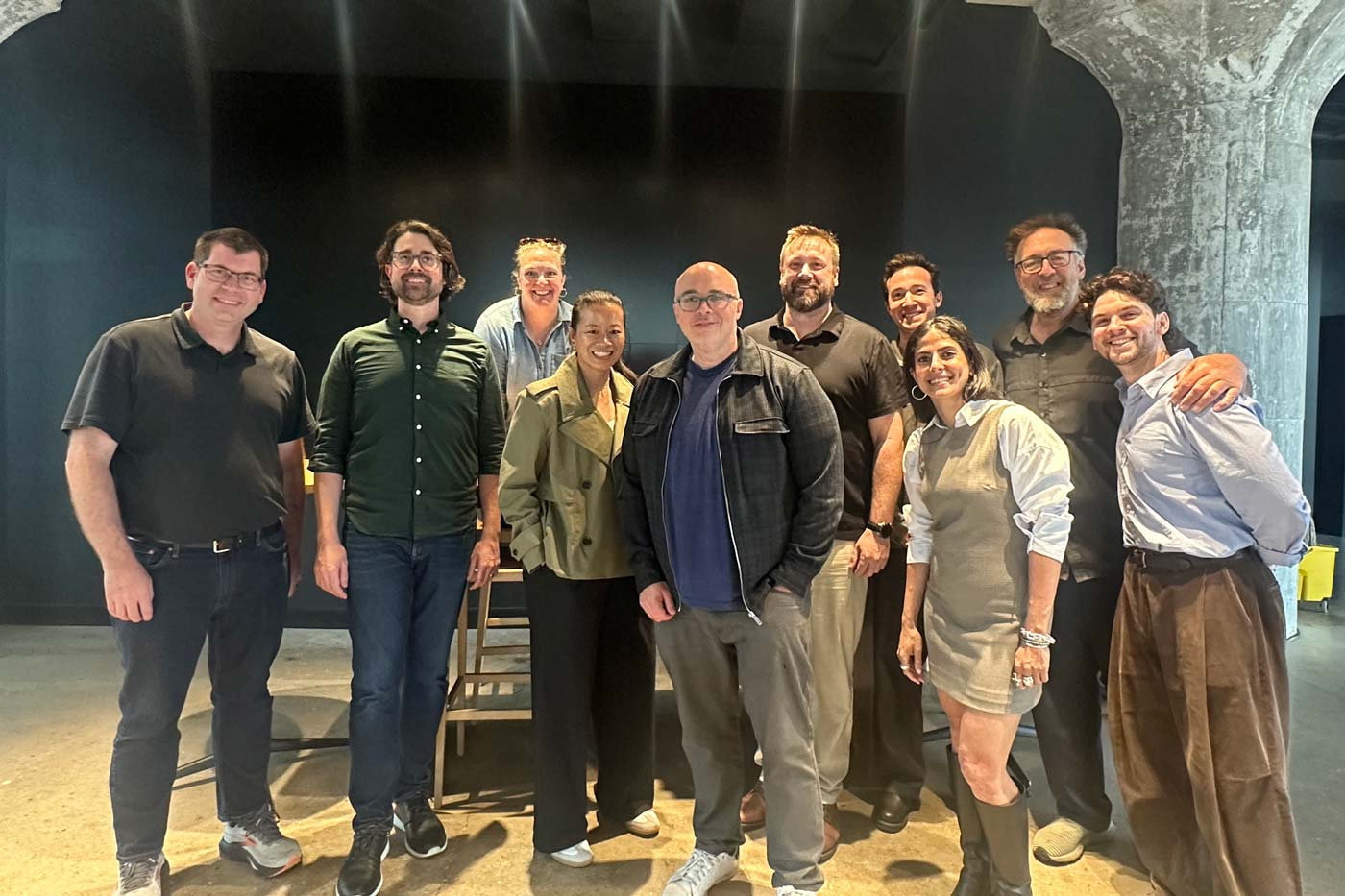
These questions were fundamental to Taubman College’s Professional Intensive: Innovation in the Built Environment, which wrapped up in June. Designed for leaders at all stages of their careers across architecture, real estate, construction management, urban planning, urban design, and landscape architecture, the summer cohort of 27 participants represented a wide range of locations, backgrounds, and experience in their respective practices. One thing they all shared was a desire to help drive change in the industry.
Over six weeks, the Professional Intensive offered online sessions covering Innovation and the Entrepreneurial Landscape, Value Chains and Industry Structure, Opportunity Framing, Incumbent Models, and Startups and New Entrants, culminating in a two-day in-person session in Detroit.
From industry stagnation to discovery
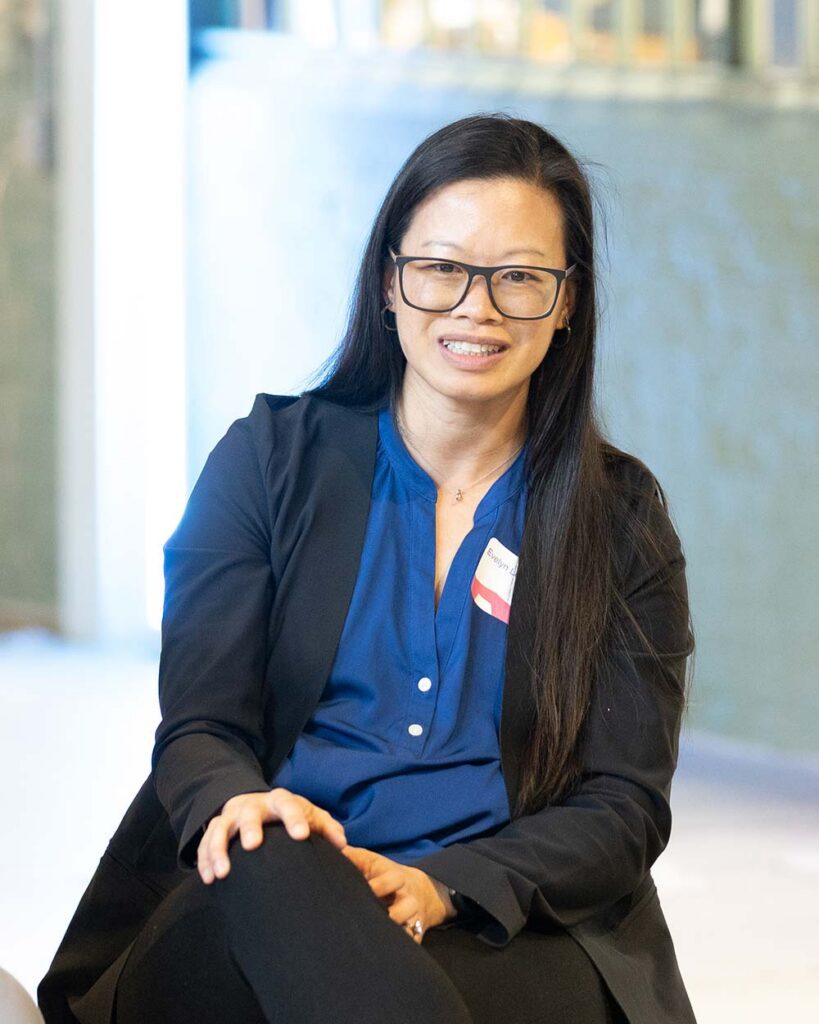
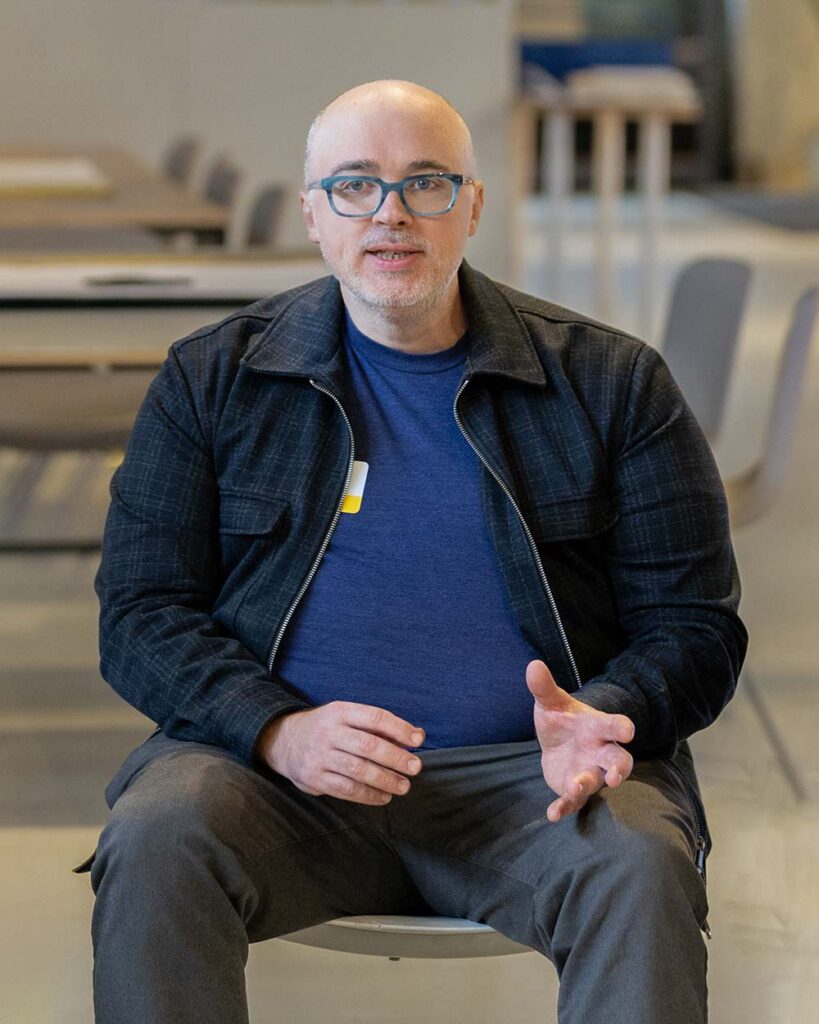
Led by guest instructors Evelyn M. Lee, FAIA, and Larry Fabbroni, the program builds on their combined experience across industries and dedication to rethinking traditional practice models, leveraging technology, and launching new business ventures grounded in a strong understanding of entrepreneurial finance and market conditions. The program was developed in collaboration with Bryan Boyer, associate professor of practice at Taubman College.
“Productivity in construction and the built environment has been flat for 50 years or more, while other sectors have radically transformed how they do business, make things, and serve customers,” Boyer said. “Evelyn and Larry brought keen insight to how this decades-long flatline can be addressed through new business and operational models.”
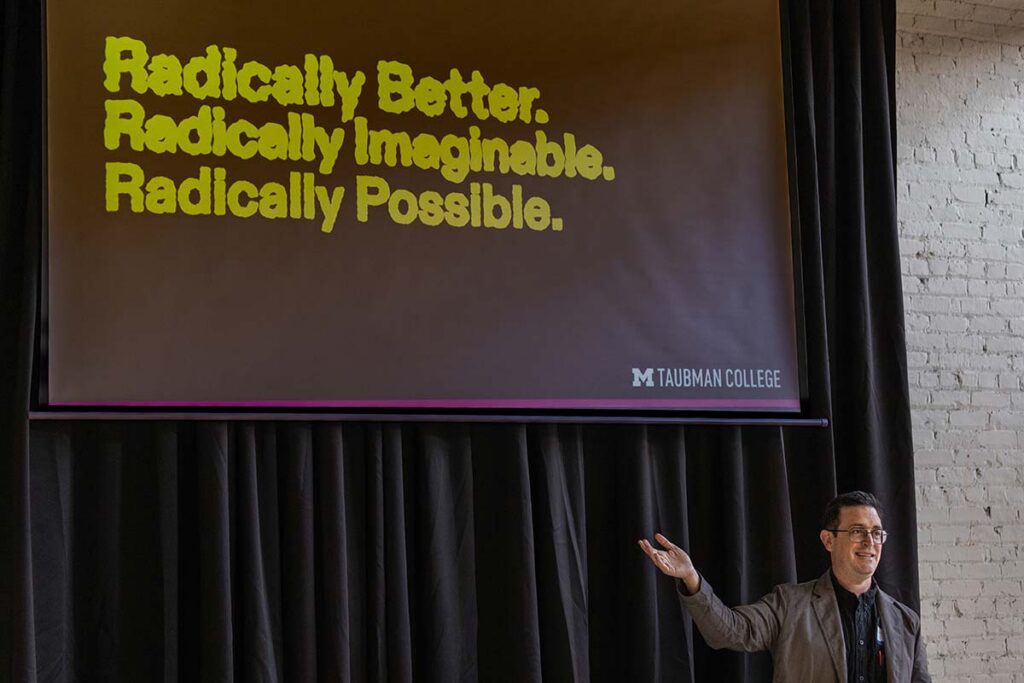
Learnings from the Professional Intensive will be embedded within Taubman College’s newly announced Master of Urban Technology, which launches in fall 2027 with Boyer as faculty director. The one-year degree will equip students with the systems thinking and business acumen needed to rethink the work of the built environment in a way that stretches beyond current silos of planning, design, architecture, and real estate.
“Taubman College has long been a hub for discovery and education in architecture, urban design, planning, and real estate. This degree extends our leadership to the growing realm of business innovation that leverages emergent technologies and platforms,” said Dean Jonathan Massey.
Tracing problems, pitching solutions
Through a deep dive into value chains and market conditions, participants sharpened their entrepreneurial skills and learned how their work both fits into and impacts a larger sequence of operations. This allowed them to look more critically at their day-to-day work, using new frameworks to apply what they just learned, backed by data and research. Following the program, participants reflected on how it might support large-scale improvements in the industry.
“If I see a problem, I tend to chase it all the way up the chain to figure out what caused it in the first place, so it’ll never happen again,” said participant Ross Hamilton, design manager at Gensler. “At the same time, you often have to convince other people that it’s worth investing their time and resources in a cause that they don’t even consider a problem. This course gave me a lot of really helpful language around doing just that.”
New tools for modern workflows
Participants also leaned into the challenges and opportunities presented by technology’s growing influence on the industry. Informed by a “start-to-finish” approach to products and services imagined as one stream, they developed business concepts and pitches targeted at improving systems.
Hamilton, for example, is investigating how intelligence moves through organizations and imagining tools that might capture context and intelligence to improve deliverables. His concept pairs 2D drawings with the “project brain” and collective memory behind them.
Ingy El-Hennawy, senior design architect at Fishbeck, envisions a platform that empowers young architects and props up learning and teaching on their path to licensure. With support from colleague Bob Pomeroy, senior vice president at Fishbeck, who also participated in the program, Ingy is imagining a “playbook” for workflow changes that would impact large firms and startups alike.
Rethinking the business of practice
These experiences were complemented by those seeking to practice as entrepreneurs, using precedents presented throughout the course as a foundation to establish new values, processes, and methods for their work to support a more effective service model while understanding where they sit within a competitive landscape.
“The Professional Intensive taught me to question everything. No matter what the decision is — whether it’s writing a proposal, developing a fee, or shopping for insurance — that should reflect my personal business mission,” said participant Kristen Dahlquist, founder of Placekeep, a practice focused on design and community engagement for mission-driven organizations, nonprofits, and tribal nations. “It’s a design problem in itself for how I conduct business and how I show up in the world to reflect my business’s design concept.”
— By Brooke Dexter, B.S. Arch ’14, M.Arch ’16