Steinmuller discusses collective living and housing innovation on recent podcasts
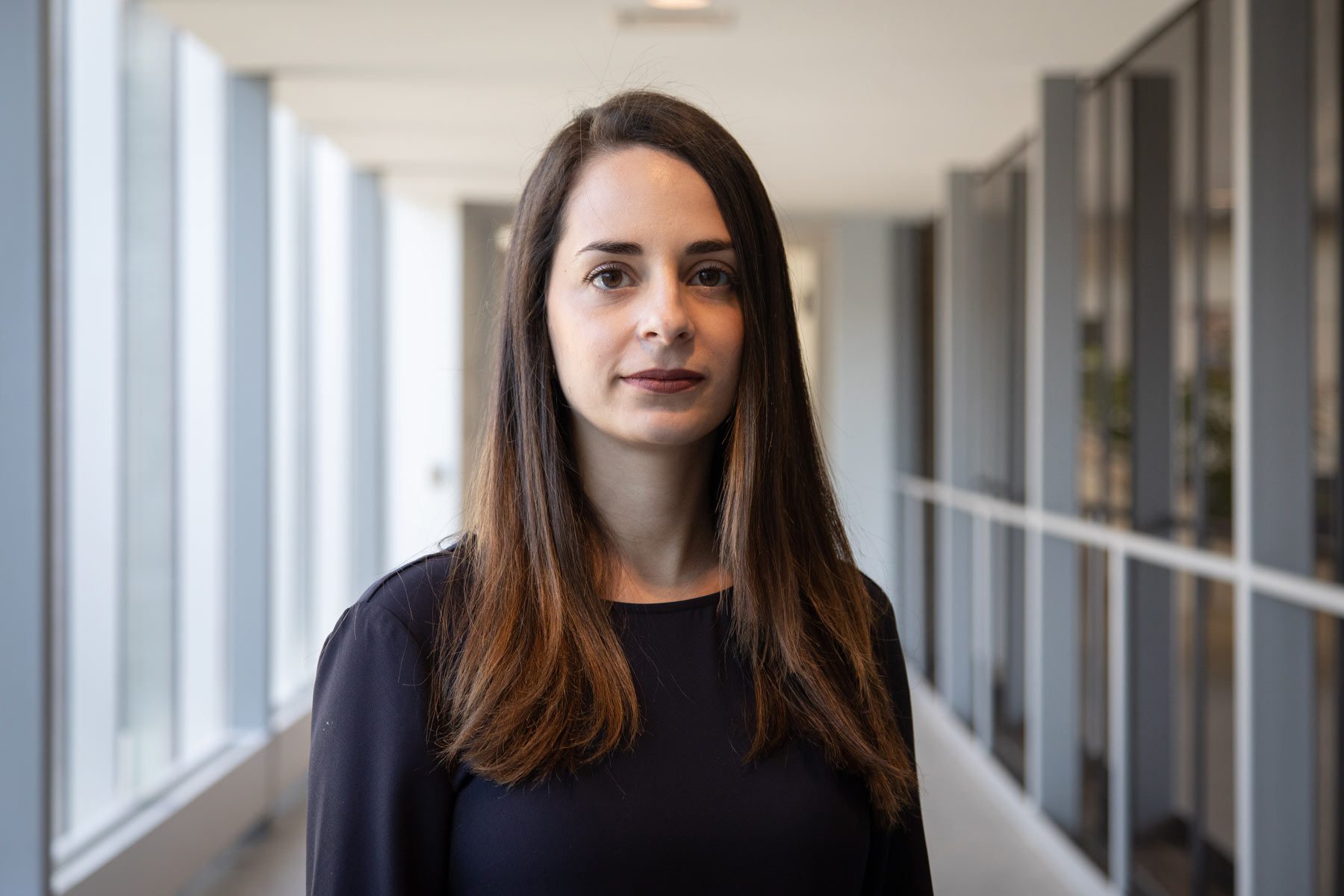
Taubman College’s Antje Steinmuller recently shared her research on collective living and the urban commons in two podcast appearances.
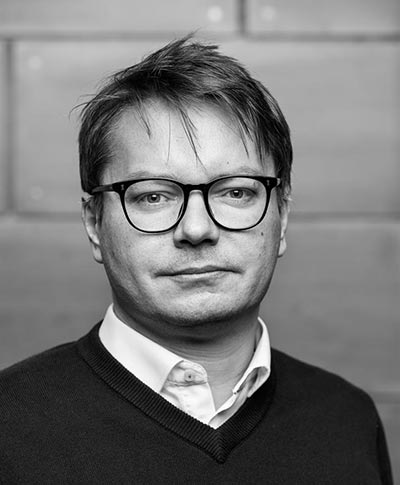
Steinmuller and her longtime research collaborator Neeraj Bhatia joined David Bollier on the Frontiers of Commoning podcast to discuss the social dynamics of co-living. Steinmuller is a professor and chair of architecture, and her work examines architecture’s role in addressing the housing crisis. With Bhatia, she co-authored “Learning from Collective Living: An Overview of How We Live Together,” a policy white paper that informed changes to San Francisco’s group-housing legislation in 2022.
Their research examines how architects and designers can “mediate a conversation between communities and institutional protocols” to build community and give residents greater agency over their environments. Rather than treating communal living as a fixed condition, their work recognizes the continuing social negotiation required to live collectively.
Although their research identifies several established collective-living typologies, Steinmuller said the team was surprised by the degree of experimentation they encountered in their case studies.
“It seems like living in intentional communities is often done by people who really believe in figuring out the best possible way of governing themselves and are willing and able to put in the time and labor to figure this out,” she said. “It is in fact that kind of labor — that emotional investment, time investment, and so on — that, in the end, builds community. And if that’s not there because everything is outsourced, you know, and made a matter of convenience … that labor is not there as the kind of driving force and glue behind shaping a community.”
Through their work, Steinmuller and Bhatia aim to establish co-living as a more substantial part of the housing sector. They argue that achieving that goal will require interdisciplinary approaches that bring architectural design into conversation with municipal policy.
Frontiers of Commoning is a podcast series from the Reinventing the Commons Program at the Schumacher Center for a New Economics. Listen to the episode on the Frontiers of Commoning website, or wherever you listen to podcasts.
Steinmuller also recently joined the Innovative Real Estate with Three Squared, Inc. podcast to discuss recent research in Detroit with Luis Antonio Uribegan of Design Think Tank. Their work explores another model of homeownership: Personal Apportion Dwellings, or P[A]D.
A collective-living model that treats housing as a system rather than a single building, P[A]D envisions adaptable, individually owned dwelling components within shared infrastructure, such as a vacant commercial office building. This modular, portable approach allows owners to assemble homes from spatial components suited to a wide range of household needs and offers an alternative to conventional housing, which is often designed around the nuclear family as the default household model.
Like Steinmuller and Bhatia’s broader research on collective living, P[A]D challenges traditional housing models by giving residents greater agency in shaping how and where they live. The episode is available on Three Squared’s website and other podcast streaming platforms.
— Ida Garfield, M.Arch ’28